
Activation Exercises For Glutes
📖 Table of Contents
- What Are Glute Activation Exercises and Why Do You Need Them?
- How to Perform the Glute Bridge Properly
- The Role of the Clamshell in Glute Activation
- Why the Fire Hydrant Is a Game-Changer for Glute Activation
- The Benefits of the Glute Activation Routine for Daily Life
- How to Track Progress in Glute Activation Exercises
- The Long-Term Impact of Glute Activation on Performance and Health
- Make It Your Way
- Frequently Asked Questions
I remember the first time I realized my glutes weren’t doing the work they should have been. I was mid-squat, and instead of feeling a powerful engagement in my backside, I felt a vague discomfort in my lower back. It was a wake-up call that my glutes were weak, and I needed to activate them properly. I started experimenting with different exercises, and over time, I found that the right activation exercises for glutes could change not just how I moved, but how I felt in my daily life.
For years, I treated my glutes as an afterthought. I assumed they’d take care of themselves if I lifted weights. But that approach left me with chronic tightness, poor posture, and even pain in my hips and lower back. I didn’t know it at the time, but I was missing the crucial step of activating those muscles before loading them with heavy weights or intense movement. This led me to explore the world of glute activation drills, and the more I learned, the more I saw how foundational they are to everything from running to sitting.[1]
Now, I can’t imagine a training or movement routine without a solid activation phase. The right activation exercises for glutes can transform your performance, reduce injury risk, and even improve your posture and overall comfort. It’s not just about feeling your glutes during a lift — it’s about making them work the way they were designed to. And I’m here to walk you through the exact steps that worked for me.
Why You'll Love This Glute Activation Routine
- Targeted muscle engagement that feels real and immediate
- Improvement in posture and reduced lower back strain
- Increased strength and power output in compound lifts
- A foundation for long-term mobility and injury prevention
What Are Glute Activation Exercises and Why Do You Need Them?
As of August 2026, Glute activation exercises are specifically designed to wake up your glutes before you move — whether you're lifting weights, running, or even sitting. These exercises are essential because they ensure your glutes are firing properly, which prevents other muscles from compensating and causing pain or injury. If you've ever felt a dull ache in your lower back after a workout, it might be because your glutes were too weak or inactive.[2]
One of the most effective glute activation exercises is the 'glute bridge' — a simple movement that involves lying on your back, bending your knees, and lifting your hips off the ground. I started with this one every time I worked out, and after just a few weeks, I noticed a significant improvement in how my glutes felt during squats and deadlifts.
The science is clear: when your glutes are activated, you move better, feel stronger, and are less prone to injury. These exercises are not just for athletes; they’re for anyone who wants to move more efficiently and with less pain.
Loop a resistance band around your legs and place it just above your knees. As you perform glute bridges or clamshells, the band will add tension and force your glutes to work harder.
How to Perform the Glute Bridge Properly
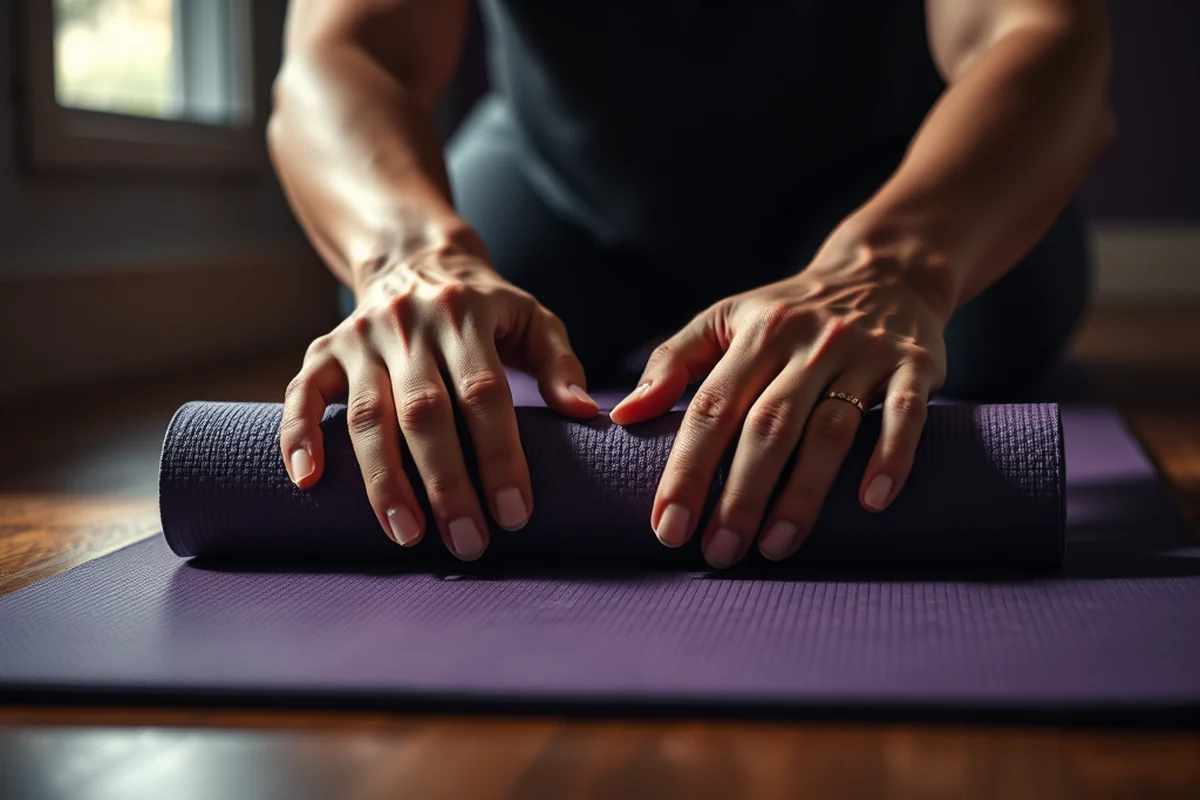
Start by lying on your back with your knees bent and feet flat on the floor, hip-width apart. Place your arms at your sides, palms facing down. As you inhale, engage your core and press your heels into the floor. Then, as you exhale, lift your hips toward the ceiling, squeezing your glutes at the top. Hold for a second, then lower back down slowly.
I used to rush through this exercise, thinking that quick reps would get the job done. But I quickly learned that taking time to feel the contraction in my glutes made all the difference. It’s not about the speed — it’s about the quality of the movement and the connection between your mind and your muscles.
This exercise is so effective that I began doing it before every workout — even on rest days. It’s a small investment of time that pays off in the long run, helping to prevent injury and improve overall movement efficiency.
The glute bridge is your first step to stronger, more engaged glutes.
Related: Glute activation exercises at home
Related: Lat activation exercises at home
Related: Activation hamstring exercises
The Role of the Clamshell in Glute Activation
Clamshells are a fantastic glute activation exercise that targets the gluteus medius — a smaller muscle that plays a big role in hip stability. To perform this, lie on your side with your knees bent and feet together. Your bottom arm should be stretched out in front of you for balance. Then, lift your top knee as high as you can without moving your pelvis.
I used to skip this exercise because it felt too simple, but I quickly realized how important it was. It forces your glutes to work in a different way than the bridge, helping to improve hip mobility and reduce the risk of knee pain and lower back discomfort. This is especially useful for runners and cyclists.
One of the most surprising things I noticed was how much my posture improved after doing clamshells regularly. My glutes were finally doing their job, and I felt more balanced in all my movements.
Place a resistance band around your thighs just above your knees. As you perform the clamshell, the band will add tension and make the exercise more difficult — helping to strengthen your glutes even more.
“I remember the first time I realized my glutes weren’t doing the work they should have been.”— Pelvic Floor Activation Drills editors
Related: Glute activation drills
Related: Hamstring activation drills
Related: Activation exercises full body
Why the Fire Hydrant Is a Game-Changer for Glute Activation
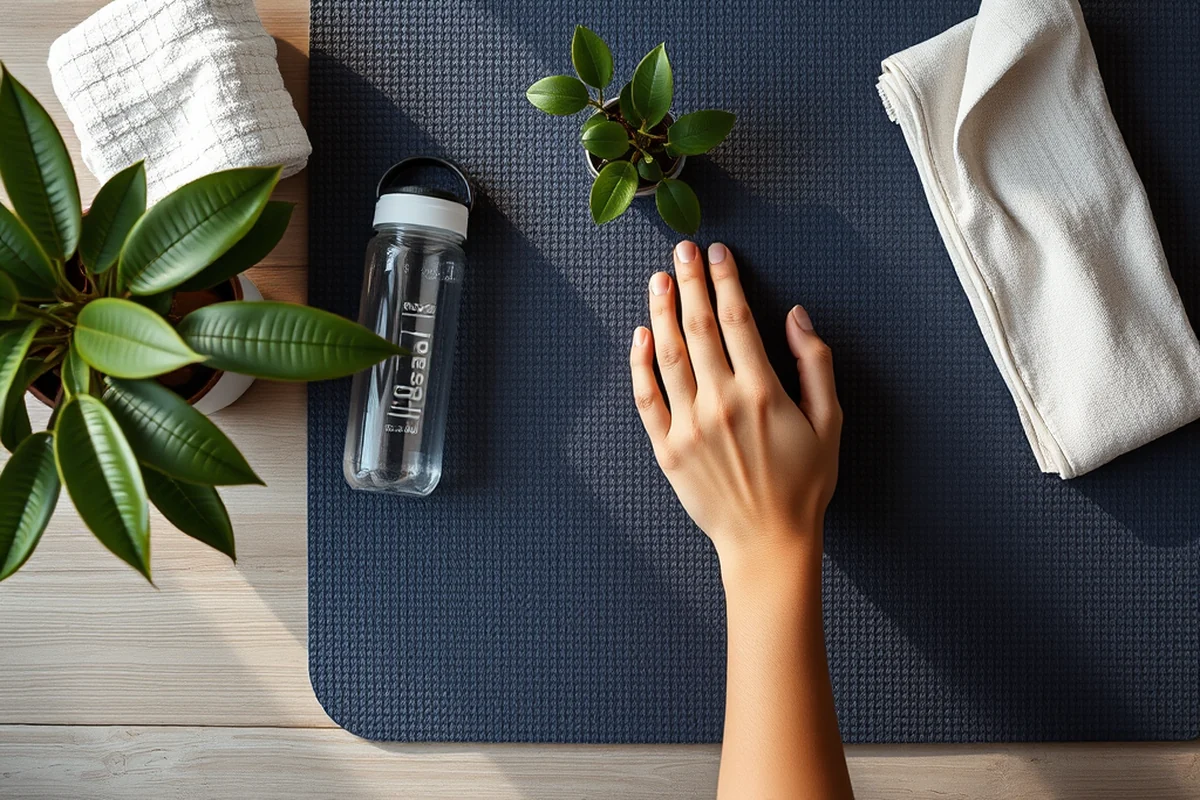
The fire hydrant is a simple but powerful glute activation exercise that involves lying on your stomach and lifting one leg at a time, keeping your knee bent. This movement helps improve hip mobility and strengthens the glutes in a way that other exercises can’t. It’s a great addition to any warm-up or activation routine.
I was skeptical at first — I thought it was too basic to make a difference. But after just a few sessions, I noticed that my glutes felt more engaged during other exercises, and I had less tightness in my hips. This was a game-changer for me, especially during long days of sitting at my desk.
The fire hydrant is especially useful for people who sit for long periods, as it helps to counteract the effects of prolonged inactivity. It’s a small movement that can have a big impact on your overall mobility and comfort.
Related: Activation exercises glutes
Related: Activation activities
Related: What are activation exercises
The Benefits of the Glute Activation Routine for Daily Life
One of the biggest benefits I noticed from doing glute activation exercises was how much better my posture became. My lower back stopped aching as much, and I found myself standing taller throughout the day. It’s easy to forget how much your glutes influence your posture, but after a few weeks of consistent activation, the difference was undeniable.
I also noticed that I felt more balanced when doing simple tasks like walking or carrying groceries. My glutes were finally doing the work they were meant to do, and I wasn’t relying as much on my lower back or hips to compensate. This made every movement feel smoother and more efficient.
Another benefit was the reduction in pain. I used to get a sharp, stabbing pain in my hips after long workouts or days of sitting. But after incorporating glute activation exercises into my routine, that pain started to fade. It wasn’t just about feeling stronger — it was about feeling better in my daily life.
Related: Activation energy exercise
Related: Activation exercises for upper body
Related: Activation exercises for lower body
How to Track Progress in Glute Activation Exercises
Tracking your progress with glute activation exercises is a great way to stay motivated and see how far you’ve come. I started keeping a simple journal where I noted how my glutes felt during each session — was the activation better than the last time? Did I feel stronger or more engaged?
I also started doing a daily self-assessment where I checked in on my posture and mobility. Did my lower back feel less strained? Was I sitting more upright? These small changes added up over time, and I could see a clear improvement in how my body moved and felt.
One of the most surprising things I noticed was how quickly my body adapted. After just a few weeks of consistent activation, I felt like I had a new foundation of strength. It wasn’t just about feeling better — it was about being more aware of how my body moved and how I could improve it.
Progress is subtle, but it’s real — and it starts with feeling your glutes.
Related: Activation exercises for cyclists
Related: Hamstring activation exercises at home
Related: Activation exercises examples
The Long-Term Impact of Glute Activation on Performance and Health
The long-term benefits of a consistent glute activation routine are nothing short of transformative. I used to be someone who dealt with chronic lower back pain and hip discomfort, but after months of activating my glutes regularly, I noticed a dramatic improvement in my overall mobility and strength. My lower back pain had nearly disappeared, and I felt more confident in my movements.
I also found that my performance in compound lifts like squats and deadlifts improved dramatically. My glutes were finally doing the work they were meant to do, and I could feel the difference in every rep. This wasn’t just about strength — it was about feeling more connected to my body and how it moved.
Over time, I realized that glute activation wasn’t just about improving my workouts — it was about improving my daily life. My posture, mobility, and comfort had all improved in ways I hadn’t expected, and I was finally living in a body that felt like it was working the way it should.
🏋️ Beginner
Start with bodyweight exercises like glute bridges and fire hydrants to build foundational strength and awareness.
💰 Budget
Use a resistance band and floor space to perform effective glute activation exercises at no cost.
⏱️ Fastest
Do 3 sets of 10 reps of glute bridges and fire hydrants for a quick but effective glute activation routine.
🔥 Advanced
Incorporate weighted glute bridges, single-leg clamshells, and lateral band walks for a more intense glute activation challenge.
🔄 Maintenance
Do 2 sets of 10 reps of glute bridges and fire hydrants every day to keep your glutes engaged and strong.
| The mistake | Why it happens | The fix |
|---|---|---|
| Not engaging the glutes properly during exercises. | If your glutes aren’t engaged, the exercise won’t be effective, and other muscles may compensate, leading to poor form and potential injury. | Focus on the contraction in your glutes during each rep. Imagine trying to squeeze your glutes together to make the movement happen. |
| Rushing through the exercises. | Rushing can lead to poor form and reduce the effectiveness of the glute activation. It also increases the risk of injury. | Slow down and focus on the quality of each movement. Take time to feel the engagement in your glutes. |
| Ignoring the importance of core engagement. | Your core plays a crucial role in stabilizing your body during glute activation exercises. Without it, you’re more likely to strain your lower back. | Always engage your core by drawing your belly button toward your spine. This helps stabilize your body and protect your spine. |
| Using too much weight or resistance too quickly. | Adding weight or resistance too soon can cause strain on your hips and glutes without proper form or strength. | Start with bodyweight exercises and only add resistance once you can perform the movement with proper form and full range of motion. |
Activation Exercises For Glutes
Common Questions
How long should I do glute activation exercises before a workout?
Can glute activation exercises help with lower back pain?
How often should I do glute activation exercises?
Are there any risks of doing glute activation exercises improperly?
References
- Activation training facilitates gluteus maximus recruitment during ... (sciencedirect.com)
- Gluteus Maximus Activation during Common Strength and ... - PMC (pmc.ncbi.nlm.nih.gov)
Cite this guide
Pelvic Floor Activation Drills (2026). Activation Exercises For Glutes. https://groundedmove.com/activation-exercises-for-glutes/
Feel free to cite or share this guide.