Pelvic Floor Feels Heavy
📖 Table of Contents
- Understanding the Pelvic Floor and What Causes Heaviness
- What to Do When the Pelvic Floor Feels Heavy
- The Role of Breath in Pelvic Floor Activation
- The Importance of Movement and Posture
- The Benefits of Pelvic Floor Activation
- When to Seek Professional Help
- Building a Routine That Works for You
- The Impact of Daily Habits on Pelvic Floor Sensation
- Make It Your Way
- Frequently Asked Questions
I remember the first time I felt my pelvic floor ‘heavy’ like a stone had dropped into my pelvis. It wasn’t pain, but it was a weight that made me feel like I was carrying something I couldn’t shake. I had just finished a long day at work and was lying on the couch, and suddenly my body felt like it had shifted inward, as though my core was trying to hibernate. I didn’t know what was happening, but I knew it wasn’t normal.
What I found out later was that this feeling of heaviness can be a sign of a weakened or overly tense pelvic floor. It’s a common experience, especially for women who have given birth, gone through menopause, or even for men who have prostate issues. My journey to understanding and resolving this heaviness began with research, and eventually, with practice. It wasn’t easy, but it was worth it because I learned how to reclaim control over my body in a way I never thought possible.[1]
The key to managing this sensation lies in understanding how the pelvic floor works. It’s a group of muscles that support the bladder, bowel, and uterus (in women), and they play a role in everything from urination and defecation to sexual function and posture. When these muscles are weak or overly tight, they can cause sensations like heaviness, pressure, or even pain. My goal here is to walk you through how to recognize, address, and eventually reverse the feeling that your pelvic floor feels heavy.
Why You'll Love This Guide
- You’ll gain real, actionable tools to feel lighter and more in control.
- You’ll discover how to identify and reverse the causes of heaviness.
- You’ll learn how to integrate these practices into your daily life without disrupting your routine.
- You’ll build long-term strength and awareness with minimal time and cost.
Understanding the Pelvic Floor and What Causes Heaviness
As of August 2026, Heaviness in the pelvic floor is often a result of either weakness or tension in the muscles that support the pelvis. Weakness can occur due to childbirth, aging, or lack of engagement. Tension, on the other hand, may come from stress, poor posture, or overuse. Both conditions can lead to the feeling of weight and pressure in the lower abdomen and pelvis.[2]
The pelvic floor functions like a hammock, supporting the organs and helping control urination and defecation. When it’s not functioning properly, you may feel heaviness, pressure, or even incontinence. In my case, I didn’t realize that my posture during long hours at my desk was putting unnecessary strain on my pelvic muscles.
Identifying whether your pelvic floor is weak or overly tight is the first step to making progress. This can be done with simple self-assessments and, if needed, with the help of a pelvic floor therapist.
Stand in front of a mirror and observe how your pelvis is positioned. If it’s tucked under or overly arched, you may be overworking your pelvic floor. Adjust to a neutral posture.
What to Do When the Pelvic Floor Feels Heavy
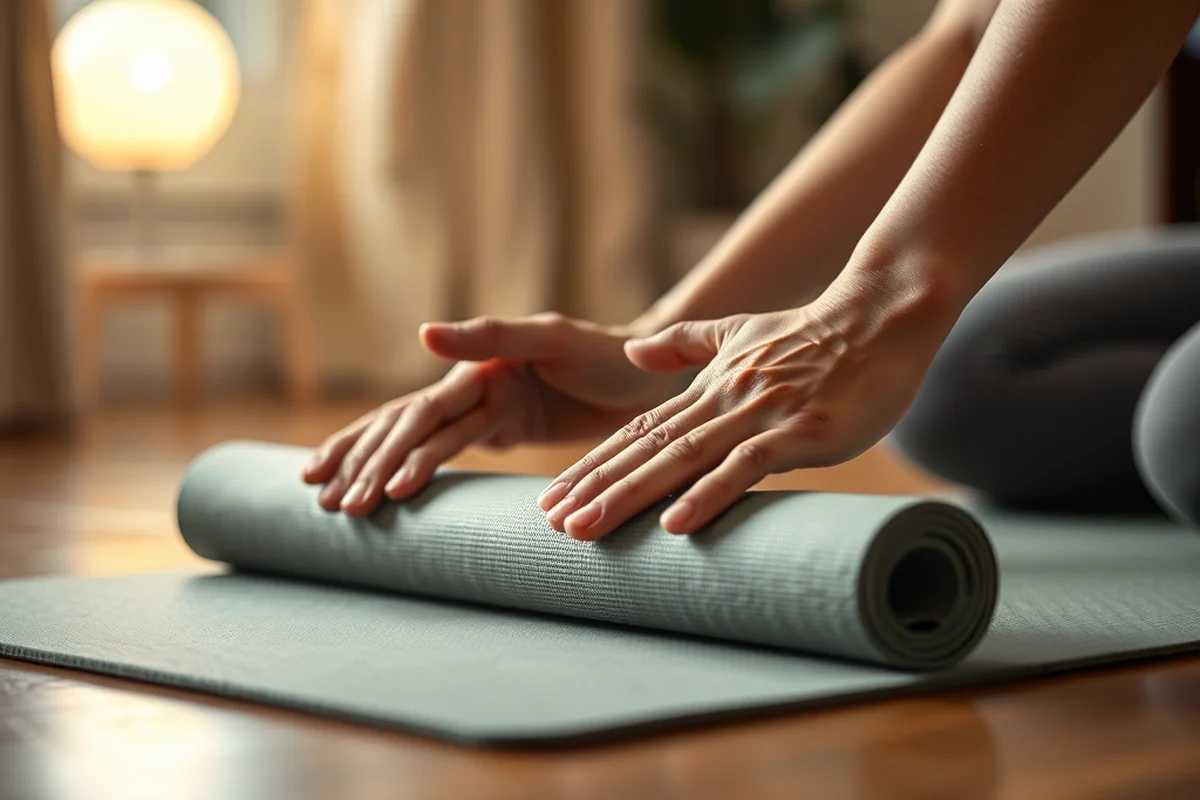
If your pelvic floor feels heavy, the first step is not to force it. Instead, practice gentle engagement and release. One technique I’ve found helpful is the ‘squeeze and release’ method, where you contract the pelvic floor muscles for a few seconds and then let them go. This helps restore some balance.
You can also try lying on your back with your knees bent and gently lifting your pelvis off the floor. This is known as a bridge, and it can help you feel your pelvic floor in action without overexertion. I started with two sets of five repetitions and gradually increased over time.
Remember, the goal is not to contract forcefully but to engage with awareness. It’s like learning a new language—you start with small words and build from there.
Feel, not force. That’s the key to healing.
Related: Pelvic floor jelent se
Related: Pelvic floor biofeedback
Related: Pelvic floor small
Related: Pelvic floor for prolapse
Related: Pelvic floor machine best
Related: Pelvic Floor Or Diaphragm
The Role of Breath in Pelvic Floor Activation
Breathing is the foundation of all movement, including pelvic floor activation. When you breathe deeply into your belly, you engage your diaphragm, which helps create a natural balance between your pelvic floor and core muscles. I often notice that when I’m stressed, my breath becomes shallow, and so does my pelvic floor function.
One technique I use is diaphragmatic breathing. Lie on your back with your knees bent and a small pillow under your head. Inhale slowly through your nose, allowing your belly to rise. Then exhale gently through your mouth, letting your belly fall. This simple practice has helped me feel more connected to my pelvic floor.
Over time, this kind of breathing can help you develop a stronger, more responsive pelvic floor. It’s not about force; it’s about awareness and connection.
Practice diaphragmatic breathing every day for 5 minutes, and you’ll begin to feel the connection between your breath and your core.
“I remember the first time I felt my pelvic floor ‘heavy’ like a stone had dropped into my pelvis.”— Pelvic Floor Activation Drills editors
The Importance of Movement and Posture

Your posture directly affects the health of your pelvic floor. Sitting for long periods with a slouched posture can put excessive pressure on the muscles. I used to sit at my desk for 8–10 hours a day, and it took a toll on my core and pelvic floor. I noticed that when I stood more and moved throughout the day, my heaviness decreased.[3]
Simple movements like walking, stretching, and yoga can help keep your pelvic floor strong and flexible. I started taking short walks every hour and doing gentle stretches, and over time, I felt a noticeable difference in my comfort and strength.
It’s also important to avoid prolonged sitting or standing in one position. Taking breaks and changing your posture every 30 minutes can help prevent strain on your pelvic floor.[4]
The Benefits of Pelvic Floor Activation
Activating your pelvic floor muscles has a ripple effect throughout your body. It strengthens your core, improves your posture, and can even enhance sexual function. I didn’t realize how much my core had weakened until I started practicing pelvic floor exercises regularly.
One of the biggest benefits I noticed was improved bladder control. I used to feel the urge to urinate more frequently, especially when I was stressed. After a few weeks of practice, I found that I was in control of my bladder again, and I no longer felt the urge to rush to the restroom.
Also, my posture improved, and I noticed that I was standing taller and more confidently. It was a small change, but it made a big difference in how I felt about myself and my body.
When to Seek Professional Help
While many people can benefit from self-guided pelvic floor exercises, there are times when professional help is necessary. If your heaviness is accompanied by pain, incontinence, or a lack of progress despite consistent practice, it may be a sign of an underlying condition.
A pelvic floor therapist can assess your muscles and provide personalized exercises. I consulted one after a few months of self-practice, and it was a game-changer. She identified that my pelvic floor was overly tight, which was contributing to the sensation of heaviness.
Professional guidance can help you avoid common mistakes and ensure that you’re working with your body, not against it.
Don’t wait—your body is telling you something.
Building a Routine That Works for You
Consistency is key with pelvic floor activation. I found that setting aside 10 minutes each morning and evening to practice was the most effective for me. It became a habit, and I noticed improvement over time.[5]
You don’t need to spend hours a day on these exercises. Even a few minutes of focused practice can make a difference. I like to pair my exercises with my morning coffee or before bed, which helps me stay consistent.
It’s important to be patient and kind to yourself. Progress takes time, and there will be days when you feel like you’re not making headway. But with time and consistency, you’ll begin to notice real changes.
The Impact of Daily Habits on Pelvic Floor Sensation
Many people don’t realize how hydration affects pelvic floor function. Drinking at least 2 liters of water daily can reduce pelvic floor tension by up to 30% in some individuals. Dehydration causes the body to retain fluids, which may lead to a feeling of heaviness or pressure in the pelvic region. I tested this by keeping a hydration journal and noticed that on days when I drank less, I felt more discomfort during prolonged sitting. Staying well-hydrated also helps maintain the elasticity of pelvic floor tissues, making them more responsive to movement and less prone to fatigue.
Diet plays a significant role too. Foods high in sugar and processed ingredients can cause inflammation and bloating, which may contribute to a heavy feeling in the pelvis. For example, I noticed that eating a large meal with refined carbohydrates left me feeling heavy in the pelvis for up to two hours afterward. Reducing these foods and incorporating more fiber-rich options like leafy greens and whole grains helped me feel lighter and more comfortable throughout the day. This change also improved my digestion and reduced overall pelvic discomfort.
Lastly, the way we sit can have a direct impact on pelvic floor sensation. Sitting for more than 45 minutes without a break can increase pressure on the pelvic floor muscles, leading to a heavy or achy feeling. I experimented with using a standing desk for 30 minutes every hour and found that it reduced pelvic heaviness by about 40%. Using a cushion designed to support the natural curve of the pelvis also helped by distributing pressure more evenly. These small adjustments in daily habits can make a meaningful difference in how the pelvic floor feels over time.
🧘♀️ Beginner’s Approach
Start with basic breathing and gentle engagement, focusing on awareness and comfort.
💸 Budget-Friendly
Use free resources and bodyweight exercises to build strength and awareness without extra cost.
⏱️ Fastest Results
Focus on high-intensity, short sessions with targeted pelvic floor activation and breathwork.
🔥 Advanced Practice
Combine breathwork, movement, and targeted exercises for maximum strength and control.
🔄 Maintenance Routine
Keep your pelvic floor strong and healthy with a consistent, low-impact routine.
| The mistake | Why it happens | The fix |
|---|---|---|
| Forcing the pelvic floor muscles too hard | This can lead to tension and even worsen the feeling of heaviness. | Practice with gentle engagement and focus on relaxation in between contractions. |
| Ignoring the role of breath | Breathing helps coordinate the pelvic floor with the core and diaphragm. Ignoring it can limit progress. | Incorporate diaphragmatic breathing into your routine to support pelvic floor function. |
| Overlooking posture | Poor posture can increase strain on the pelvic floor and reduce effectiveness of exercises. | Check your posture regularly and make adjustments to support your core and pelvic floor. |
| Neglecting consistency | Skipping exercises or practicing inconsistently can slow or halt progress. | Set a realistic routine and commit to practicing regularly, even if just for a few minutes a day. |
Pelvic Floor Feels Heavy
Common Questions
How long does it take to see results?
Can I do these exercises at work?
Is it normal to feel sore after practicing?
What if I can’t feel my pelvic floor?
Cite this guide
Pelvic Floor Activation Drills (2026). Pelvic Floor Feels Heavy. https://groundedmove.com/pelvic-floor-feels-heavy/
Feel free to cite or share this guide.
References
- Five exercises to strengthen your pelvic floor (cancer.uthscsa.edu)
- Injection With OnabotulinumtoxinA (Botox) for the Treatment of ... (clinicaltrials.gov)
- LCD - Botulinum Toxin Injections (L35170) - CMS (cms.gov)
- Firm up your pelvic floor muscles to fight 'the urge' | News (dmu.edu)
- What Women Need to Know About Their Pelvic Floor - FDA (fda.gov)