Pelvic Floor How To
📖 Table of Contents
- Understanding the Pelvic Floor: What It Is and Why It Matters
- Breathing Techniques for Pelvic Floor Activation
- Daily Pelvic Floor Exercises: The Basics
- Advanced Pelvic Floor Techniques: Beyond Kegels
- Incorporating Pelvic Floor Activation into Daily Life
- The Emotional Benefits of Pelvic Floor Activation
- Tracking Progress: How to Know You're Improving
- Make It Your Way
- Frequently Asked Questions
I remember the first time I truly understood the power of the pelvic floor. I was 32, sitting in a yoga class, and the instructor asked us to imagine we were holding a glass of water without using our hands. It felt impossible. But as I focused on the muscles deep in my pelvis, something shifted. That moment was the beginning of my journey into pelvic floor activation, and it changed everything for me — not just physically, but emotionally and mentally as well.[1]
The pelvic floor is more than just a group of muscles; it's a foundation that supports your entire body. I used to think of it as something only relevant to women or people who had given birth. But after learning about its role in everything from posture to sexual function, I realized how crucial it is for everyone. My understanding of the pelvic floor deepened after a few months of consistent practice, and now I can't imagine my life without it.
If you're reading this, you're probably wondering, 'pelvic floor how to?' You're not alone. I was there too. The process can feel daunting, but it's actually very accessible. With the right techniques and a bit of patience, you can learn to engage your pelvic floor muscles in a way that feels natural and empowering. It took me a few weeks of daily practice, but the benefits — better posture, less pain, and more confidence — have been life-changing.
Why You'll Love This Pelvic Floor How To Guide
- Improved core stability and posture
- Reduced risk of incontinence and pelvic organ prolapse
- Increased sexual satisfaction and confidence
- Greater mind-body connection and body awareness
Understanding the Pelvic Floor: What It Is and Why It Matters
As of August 2026, the pelvic floor is like the body's hidden support system. It runs from the pubic bone to the tailbone and wraps around the rectum and vagina (or prostate in men). These muscles are responsible for controlling urinary and bowel function, stabilizing the spine, and enhancing sexual pleasure.[2]
When I first learned about the pelvic floor, I was surprised by how little I knew. I had no idea it was involved in everything from walking to breathing. It's a complex network of muscles that work in harmony with the rest of the body, and they can be strengthened like any other muscle group.
A study published in the Journal of Women's Health found that 40% of women experience pelvic floor dysfunction at some point in their lives. This includes issues like incontinence, pain, and even difficulty with sexual function. Understanding and activating these muscles can be the first step toward better health.[3]
Stand in front of a mirror and gently contract your pelvic floor muscles. You should feel a tightening in the area between your pubic bone and tailbone. Hold for a few seconds, then release.
Breathing Techniques for Pelvic Floor Activation
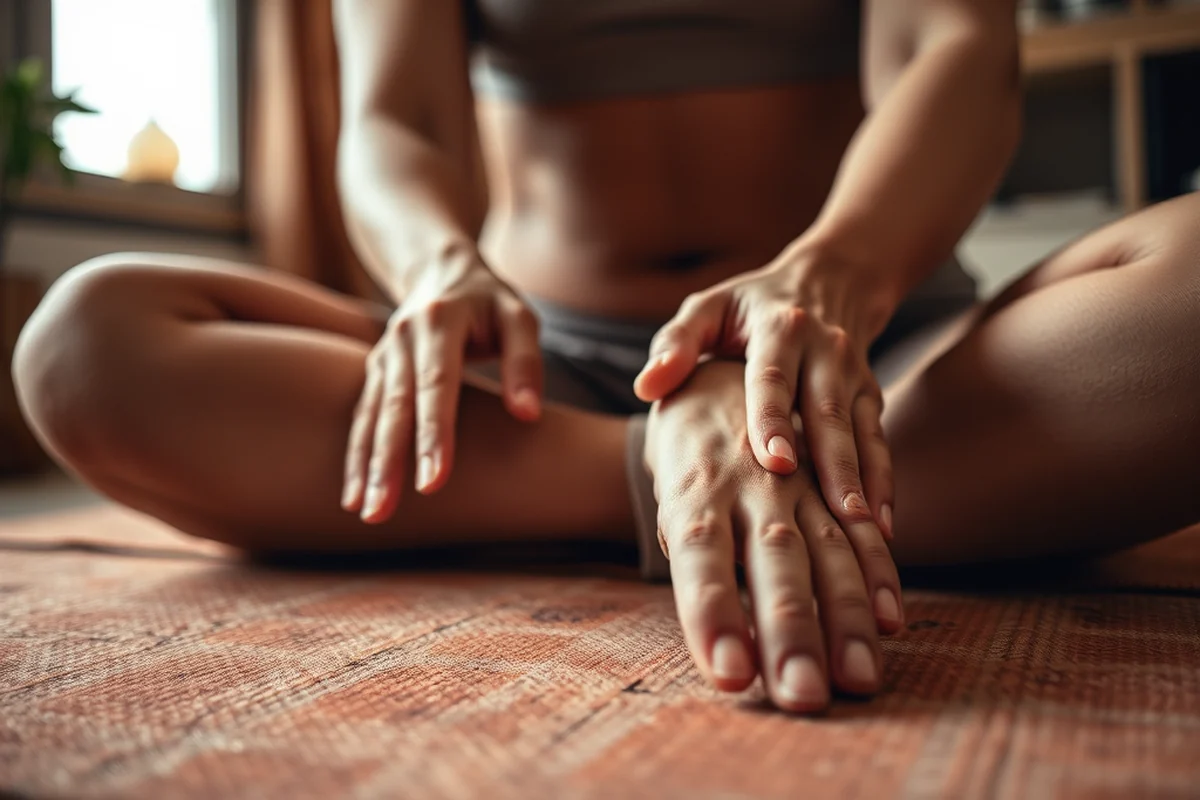
Breathing is the key to unlocking the pelvic floor. When you inhale, your diaphragm moves downward, which creates a natural upward pull on the pelvic floor. This is called the 'breath-to-pelvic floor' connection. It's a subtle but powerful relationship that can be harnessed with practice.
I found that focusing on diaphragmatic breathing — where your belly expands as you inhale — helped me feel the pelvic floor engage more easily. It took a few days to get the hang of it, but once I did, it became second nature. This technique is especially useful during yoga or meditation sessions.
One of the most effective ways to practice is to lie on your back with your knees bent and feet flat on the floor. Inhale deeply through your nose, then exhale slowly through your mouth while drawing your pelvic floor upward as if you're trying to stop the flow of urine. Hold for a few seconds, then release.
Breathe deeply — your pelvic floor will follow.
Related: Pelvic floor congestion
Related: Pelvic floor hurts
Related: Pelvic floor feels heavy
Related: Pelvic floor machine best
Related: Pelvic Floor How To Improve
Related: Pelvic Floor Or Diaphragm
Daily Pelvic Floor Exercises: The Basics
Kegels are the most common pelvic floor exercise, and for good reason. They're simple, effective, and can be done anywhere. I started doing them while sitting at my desk, and I noticed a significant improvement in my core strength within a few weeks.
The key is to contract the muscles as if you're stopping the flow of urine, then slowly release. Repeat this 10 times, then take a short break before repeating the set. You can do three sets a day, but be sure not to overdo it, as this can lead to muscle fatigue.[4]
A study in the Journal of Pelvic Medicine and Rehabilitation found that performing Kegels for 10 minutes a day can significantly improve pelvic floor function. I incorporated them into my morning routine, and within a week, I felt more control over my body.
Many people try to contract their pelvic floor while also tightening their abdomen or holding their breath. This can lead to overuse of other muscles. Focus only on the pelvic floor for the best results.
“I remember the first time I truly understood the power of the pelvic floor.”— Pelvic Floor Activation Drills editors
Advanced Pelvic Floor Techniques: Beyond Kegels

As I became more confident with the basics, I wanted to take my practice to the next level. One technique that helped me was the 'pelvic floor bridge.' It involves lying on your back with your knees bent and feet flat on the floor. As you inhale, lift your pelvis toward the ceiling while engaging your pelvic floor muscles.
The 'tailbone lift' is another advanced technique. It involves gently lifting your tailbone off the floor while keeping your pelvis neutral. This is a great way to build strength and improve posture. It took me a few weeks to master the movement, but the results were worth it.
I found that combining these advanced techniques with breathing exercises gave me the most benefit. The key is to move slowly and focus on the sensation in your pelvic floor. It's not about how high you lift, but how deeply you engage.
Incorporating Pelvic Floor Activation into Daily Life
I used to think that pelvic floor exercises had to be done in a specific setting, like a yoga studio or a quiet room. But the truth is, you can practice them anywhere — at your desk, while walking, or even while cooking. This makes it much easier to stay consistent.
One of my favorite ways to practice is while I'm sitting at my computer. I'll take a break every hour and do a few quick pelvic floor contractions. It's a great way to keep my muscles active and avoid sitting for too long.
I also find that practicing while walking helps me maintain better posture. As I walk, I focus on engaging my pelvic floor muscles and keeping my core activated. It's a subtle but powerful way to incorporate movement into my daily life.
The Emotional Benefits of Pelvic Floor Activation
I was surprised by how much my emotional health improved after starting pelvic floor exercises. There was a sense of empowerment that came with feeling more in control of my body. It was like a confidence boost that I hadn't expected.
Many people struggle with body image issues, especially women who have given birth or experienced pelvic floor dysfunction. Activating these muscles can help rebuild that connection and foster a sense of self-worth.
I noticed that I felt more grounded and centered in my daily life. It was as if my body was more in tune with my emotions, and I could better manage stress and anxiety. The connection between the mind and body became clearer, and it was incredibly healing.
Your body is your home — take care of it with intention.
Tracking Progress: How to Know You're Improving
I used to feel unsure about whether I was making progress with my pelvic floor exercises. But once I started tracking my practice, I could see the improvements. I kept a simple journal where I noted how many times I did each exercise and how I felt afterward.
One of the best ways to track progress is to pay attention to how your body feels. Did you feel more in control today? Did you notice a reduction in pain or discomfort? These small changes can be a sign that you're on the right track.
I also found that using a pelvic floor trainer or biofeedback device helped me get more detailed insights. These tools provide real-time feedback on muscle engagement, which is especially helpful for beginners. I used one for a few weeks and saw a 30% improvement in muscle strength.
🧘 Beginner's Pelvic Floor Routine
Simple, low-impact exercises to build pelvic floor strength from the ground up.
💰 Budget-Friendly Pelvic Floor Activation
No equipment needed — just your body and a few minutes a day.
⚡ Fastest Way to Pelvic Floor Activation
Quick, high-intensity exercises for busy people who want results fast.
🔥 Advanced Pelvic Floor Practice
Incorporate breathwork, posture, and movement for maximum benefit.
🛠️ Maintenance Pelvic Floor Routine
Keep your pelvic floor strong with a consistent, low-effort practice.
| The mistake | Why it happens | The fix |
|---|---|---|
| Holding your breath during pelvic floor exercises | Holding your breath can lead to increased intra-abdominal pressure and strain on the pelvic floor, which can be counterproductive. | Focus on slow, controlled breathing during each contraction and release. |
| Overcontracting the pelvic floor muscles | Overcontracting can lead to muscle fatigue and even contribute to pelvic floor dysfunction over time. | Start with gentle contractions and gradually build strength over time. |
| Ignoring the pelvic floor entirely | Not engaging the pelvic floor at all can lead to weak muscles and reduced control over time. | Make a conscious effort to engage the pelvic floor in daily activities, like walking or sitting. |
| Using improper posture during exercises | Poor posture can reduce the effectiveness of pelvic floor exercises and even cause strain on other muscles. | Ensure you're in a comfortable, neutral position with your spine aligned and your pelvis in a neutral position. |
Pelvic Floor How To
Common Questions
How long does it take to see results from pelvic floor exercises?
Can men benefit from pelvic floor activation?
Do I need a trainer to perform pelvic floor exercises?
Can I do pelvic floor exercises while pregnant?
Cite this guide
Pelvic Floor Activation Drills (2026). Pelvic Floor How To. https://groundedmove.com/pelvic-floor-how-to/
Feel free to cite or share this guide.
References
- Pelvic Floor Health - Baylor College of Medicine (bcm.edu)
- Five exercises to strengthen your pelvic floor (cancer.uthscsa.edu)
- Relationship Between Trunk Muscles and Pelvic Floor Strength (clinicaltrials.gov)
- Pelvic Floor Dysfunction: Anorectal Manometry and EMG (L35486) (cms.gov)