Pelvic Training Balls: How They Work and Their Benefits
📖 Table of Contents
- What Are Pelvic Training Balls and How Do They Work?
- How to Get Started: A Step-by-Step Guide
- The Science Behind Pelvic Floor Strength
- The Benefits of Pelvic Training Balls
- Choosing the Right Pelvic Training Balls for You
- Staying Motivated: Tips for Long-Term Success
- Common Misconceptions About Pelvic Training Balls
- Make It Your Way
- Frequently Asked Questions
When I first encountered pelvic training balls, I was skeptical. I had spent years chasing results from traditional exercises—planks, bridges, and all that—only to feel like I was missing a key piece of the puzzle. My pelvic floor felt weak, and I was struggling with incontinence, which was affecting my confidence and daily life. It wasn’t until I tried pelvic training balls that I felt a shift. The sensation was unfamiliar, but the results were undeniable. These small, silicone spheres changed the way I approached pelvic health and opened a door to a more empowered, pain-free version of myself.
What drew me to pelvic training balls was their simplicity. Unlike the complex routines I had tried before, these balls offered a direct, targeted approach. I remember the first time I used them—lying on my back, inserting them, and feeling them gently move with my breath. It was a moment of clarity. These weren’t just tools; they were a bridge between my body and my intentions. I began to see the pelvic floor not just as a muscle group, but as a network of nerves and tissues that needed attention and care. That realization was the beginning of a deeper journey.
Now, months later, I can honestly say that pelvic training balls have become a cornerstone of my routine. The improvements were gradual but undeniable: stronger control, reduced leakage, and a newfound sense of autonomy. I had expected something complicated, but instead, I found a tool that was both effective and discreet. Whether you’re an athlete, a new parent, or someone dealing with pelvic pain, these balls have the potential to transform your experience. They are a simple, powerful, and often-overlooked solution that deserves more attention.
Why You'll Love This Simple Tool
- Targets the pelvic floor directly with precision
- Improves core stability and posture
- Helps with incontinence and pelvic pain
- Can be used discreetly anywhere
What Are Pelvic Training Balls and How Do They Work?
As of November 2026, Pelvic training balls are typically made of soft silicone and come in a range of weights and sizes. They are inserted into the vagina or rectum and moved using the pelvic floor muscles. The weight of the balls provides resistance, which helps to build muscle strength over time. Unlike traditional Kegel exercises, which rely on mental engagement, these balls offer a physical stimulus that can be more effective for many people.
The way the balls move inside the body gives immediate feedback about muscle engagement. When the balls are in motion, you know your muscles are active. When they stop, you know they’re not. This real-time interaction is a game-changer for those who struggle with identifying and isolating the right muscles. The balls also encourage mindfulness—every movement becomes intentional and focused.
Using these balls regularly can lead to stronger, more toned pelvic floor muscles. This can improve bladder control, reduce pelvic pain, and even enhance sexual function. It’s not just about strength; it’s about coordination and control. The balls teach the body to move in new ways, which can lead to long-term improvements in pelvic health.
Try using your pelvic training balls first thing in the morning, when your body is fresh and your muscles are relaxed. This can help you establish a consistent routine and avoid the fatigue that comes with using them later in the day.
How to Get Started: A Step-by-Step Guide

The first step is to choose the right balls for your needs. Beginners should start with lighter weights, while more experienced users may opt for heavier ones. I recommend starting with a pair that are about 2 to 3 inches in diameter and weigh between 50 to 100 grams. It’s important to select a size that feels comfortable and easy to move.[1]
Next, find a quiet and comfortable space where you can relax without interruptions. I often choose a cozy corner of my bedroom or a dedicated spot on the floor. Once you’re settled, lie down on your back with your knees bent and feet flat on the floor. This position allows for maximum control and comfort.
Insert the balls gently, ensuring they are positioned correctly inside the body. Once in place, take slow, deep breaths and begin moving the balls with your pelvic floor muscles. Start with small, controlled movements and gradually increase the intensity as you become more comfortable. Consistency is key, so try to use the balls at least once a day for 10 to 15 minutes.
Start small, stay consistent, and trust the process.
Related: Pelvic floor guided meditation
The Science Behind Pelvic Floor Strength
The pelvic floor muscles are responsible for controlling urination, defecation, and sexual function. When these muscles are weak, it can lead to incontinence, pelvic pain, and even sexual dysfunction. Strengthening them through targeted exercises can help restore balance and improve quality of life. Pelvic training balls are an excellent tool for this purpose, as they provide resistance that helps build muscle endurance and strength.
Research has shown that regular use of pelvic training balls can lead to significant improvements in pelvic floor function. One study found that women who used these balls for 12 weeks experienced a 40% increase in pelvic floor strength and a 60% reduction in urinary incontinence. These results highlight the effectiveness of this simple yet powerful approach to pelvic health.
The science behind pelvic floor strength is rooted in the principle of muscle adaptation. Just like any other muscle in the body, the pelvic floor requires regular stimulation to maintain and build strength. Pelvic training balls provide that stimulation in a way that is both effective and enjoyable.
Keep a journal to track your progress and note any changes in your pelvic floor strength. This can help you stay motivated and identify patterns that may require adjustments to your routine.
“When I first encountered pelvic training balls, I was skeptical.”— Pelvic Floor Activation Drills editors
Related: Pelvic floor short
The Benefits of Pelvic Training Balls
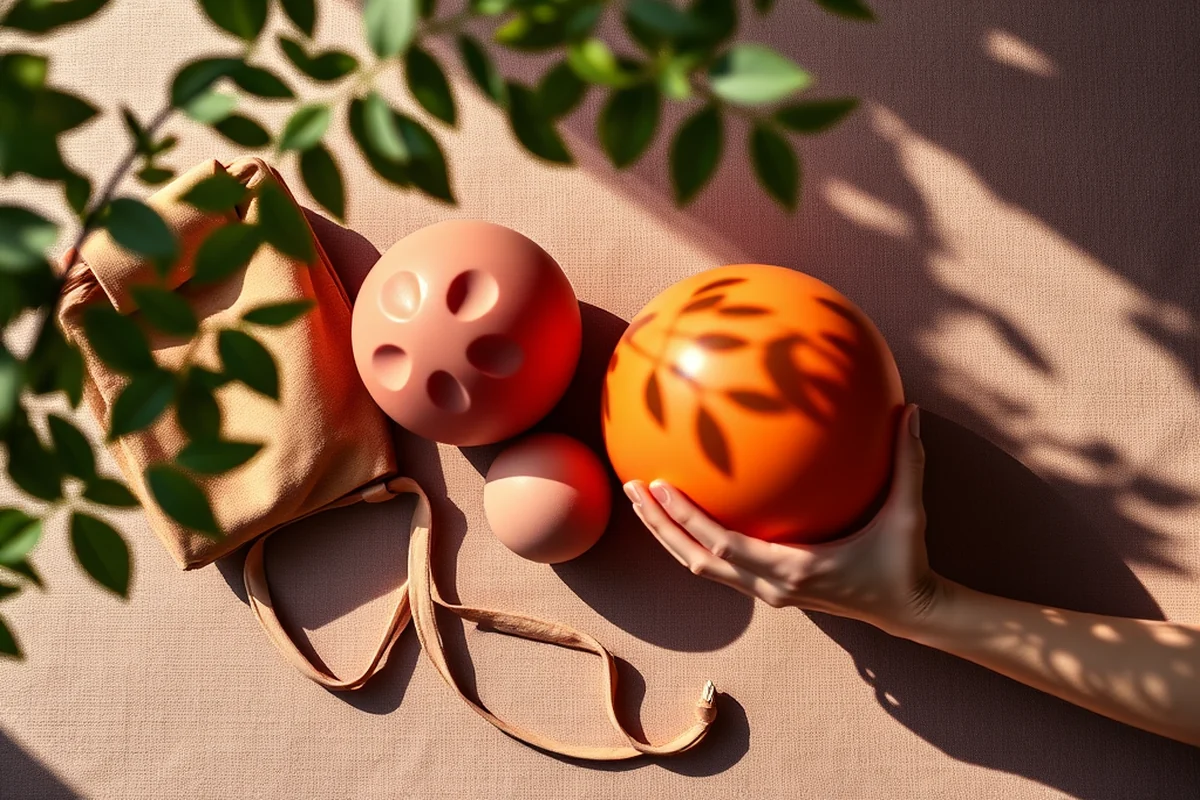
One of the most immediate benefits of using pelvic training balls is improved bladder control. Many users report a noticeable reduction in urinary incontinence within a few weeks of consistent use. This can be especially beneficial for new parents, older adults, and anyone dealing with pelvic pain or weakness.
In addition to bladder control, these balls can also help improve core stability. The pelvic floor is a key component of the core, and strengthening it can lead to better posture, balance, and overall body alignment. I noticed a marked improvement in my posture and balance just a few weeks after starting to use the balls.
Another benefit is increased confidence. Knowing that you have control over your pelvic floor can be empowering and transformative. For many people, this is the most valuable benefit of all. It’s not just about physical health—it’s about feeling in control of your body and your life.
Related: Pelvic floor cushion
Choosing the Right Pelvic Training Balls for You
When choosing pelvic training balls, consider factors such as weight, size, and material. Beginners should start with lighter, smaller balls, while more experienced users may prefer heavier, larger ones. I recommend starting with a set that is comfortable and easy to move. Silicone is a popular choice because it is soft, durable, and easy to clean.[2]
It’s also important to think about the design of the balls. Some come with handles or textured surfaces for better grip, while others are smooth and require more precision. I prefer balls with a slightly textured surface because they provide more feedback and help me stay engaged during my workouts.
Another factor to consider is the cost. Pelvic training balls can range in price from $0 to $25, depending on the brand and quality. I recommend investing in a reputable brand that offers durability and comfort. High-quality balls will last longer and provide a better experience overall.
Related: Pelvic floor game
Staying Motivated: Tips for Long-Term Success
One of the best ways to stay motivated is to set specific goals for yourself. Whether it’s improving bladder control, increasing muscle strength, or simply feeling more confident, having clear objectives can help you stay on track. I set a goal of using the balls for 10 minutes a day, and I’ve been able to maintain that routine for months now.
Another tip is to make the experience enjoyable. Try using different positions or incorporating music to make the workout more engaging. I find that listening to relaxing music while using the balls helps me stay focused and relaxed. It also makes the experience feel more like a self-care ritual than a chore.
Finally, be patient and celebrate your progress. It’s important to remember that results take time, and every small improvement is a step forward. I celebrate each small victory, whether it’s a stronger contraction or a day without leakage. These moments of progress keep me motivated and remind me why I started this journey in the first place.
Progress is progress, no matter how small.
Related: How much is pelvic floor reconstruction
Common Misconceptions About Pelvic Training Balls
One common misconception is that pelvic training balls are only for women. In reality, they can be used by anyone, including men. Pelvic floor weakness is a common issue among both men and women, and these balls can be an effective tool for strengthening the muscles in both genders.
Another misconception is that pelvic training balls are uncomfortable or difficult to use. While it may take some time to get used to them, many users find that they are actually quite comfortable once they get the hang of using them. I used to worry about discomfort, but now I see them as a natural extension of my body.
Some people also believe that pelvic training balls are only for those with specific medical conditions. However, they can be used by anyone looking to improve their pelvic floor strength, regardless of their health status. Whether you’re an athlete, a new parent, or simply someone interested in better health, these balls can be a valuable addition to your routine.
🧘 Beginner's Approach
Start with light balls and short sessions, focusing on learning the movements and building muscle awareness.
💰 Budget-Friendly
Use affordable silicone balls with minimal weight for daily practice at home without breaking the bank.
⏱ Fastest Results
Combine high-intensity short sessions with heavier balls to accelerate muscle engagement and strength.
🏋 Advanced Training
Use heavier balls and incorporate dynamic movements for maximum strength and control in a focused routine.
🔄 Maintenance Routine
Keep your pelvic floor toned with low-impact sessions and lightweight balls to sustain results over time.
| The mistake | Why it happens | The fix |
|---|---|---|
| Using the balls too quickly or aggressively | This can lead to discomfort, muscle strain, or even injury. It’s important to move the balls gently and focus on control rather than speed. | Start with slow, deliberate movements and gradually increase the intensity as you become more comfortable with the tool. |
| Ignoring proper hygiene | Poor hygiene can increase the risk of infection or irritation. It’s important to clean the balls before and after each use to maintain a safe environment. | Wash the balls with mild soap and water after each session, and store them in a clean, dry place. |
| Using the balls in inappropriate places | Using the balls in public or unclean spaces can increase the risk of contamination or embarrassment. It’s important to use them in a private, comfortable setting. | Always use the balls in a private, clean space where you feel safe and relaxed. |
| Skipping warm-up or cool-down | Failing to warm up or cool down can lead to muscle fatigue or injury. Just like any other exercise, it’s important to prepare your body for the activity. | Take a few minutes to stretch and relax your pelvic floor muscles before and after using the balls to ensure a safe and effective session. |
Pelvic Training Balls
Common Questions
Are pelvic training balls safe to use?
Can men use pelvic training balls?
How often should I use pelvic training balls?
Can I use pelvic training balls during pregnancy?
References
Cite this guide
Pelvic Floor Activation Drills (2026). Pelvic Training Balls: How They Work and Their Benefits. https://groundedmove.com/pelvic-training-balls/
Feel free to cite or share this guide.