
How To Fix Anterior Pelvic Tilt
📖 Table of Contents
- Understanding Anterior Pelvic Tilt
- The Role of the Glutes in Fixing Anterior Pelvic Tilt
- How to Stretch the Hip Flexors
- The Importance of Core Stability
- Progressive Strengthening for the Glutes
- The Role of the Hamstrings in Pelvic Alignment
- Creating a Sustainable Routine
- Make It Your Way
- Frequently Asked Questions
I used to stand in front of the mirror, hands on my hips, feeling the familiar tug of my lower back as if it were a spring pulled too tight. My pelvis was tilted forward, a silent culprit behind the lower back pain that had become a constant companion. I tried everything—yoga, foam rolling, even a few rounds of physical therapy—but nothing clicked until I finally understood what anterior pelvic tilt really was and how to fix it. This isn't just about posture; it's about restoring the balance in your body that has been lost over years of sitting, poor movement patterns, or even just the demands of daily life.
Fixing anterior pelvic tilt isn’t about magic, it’s about science and repetition. It took me months of consistent work, but the results were worth it. My lower back pain began to subside, and I noticed a shift in how my body moved—more fluid, more grounded, and less painful. What I learned was that anterior pelvic tilt is not a quick fix; it's a process of retraining the muscles that have become overactive or underactive over time. The good news is that with the right approach, you can do it too.
I want to walk you through how to fix anterior pelvic tilt the way I did—without gimmicks, without fluff. It’s about understanding the body’s mechanics, identifying the key players in this imbalance, and then targeting them with specific, evidence-based exercises. If you’ve been told you have an anterior pelvic tilt and you’re ready to take action, then this is the place to start. Let’s get your pelvis back in alignment, one rep at a time.
Why You'll Love This Approach
- You’ll feel immediate relief in your lower back and hips if you do the exercises consistently.
- You’ll gain better posture that translates into daily life, not just during workouts.
- You’ll avoid long-term damage to your spine and joints by addressing the root cause.
- You’ll develop a better understanding of your body and movement patterns, empowering you to stay healthy long-term.
Understanding Anterior Pelvic Tilt
As of September 2026, Anterior pelvic tilt is a condition where the pelvis rotates forward, often causing the lower back to arch excessively. This tilt is usually the result of weak gluteal muscles and tight hip flexors, which pull the pelvis into an anterior position. I first noticed this when my lower back would ache after just a few minutes of sitting, and I realized my pelvis wasn’t where it should be.
This shift in the pelvis affects the entire kinetic chain—from the feet up to the spine. I remember the first time I had a physical therapist take my pelvis and manually adjust it into a neutral position; the relief was immediate. It didn’t last unless I worked on the underlying muscle imbalances.
To fix anterior pelvic tilt, you need to address the root cause: muscle imbalances. This means strengthening the glutes and lower back while stretching the hip flexors and lower abdomen. It’s not a quick fix, but with consistency, you can see real changes in your posture and comfort.
Stand barefoot in front of a mirror and observe your pelvis. If it's tilted forward, your lower back will look excessively arched, and your hip bones may be sticking out more than usual.
Part of our Strengthen pelvic guide.
The Role of the Glutes in Fixing Anterior Pelvic Tilt

I used to underestimate the importance of strong glutes until I started focusing on them specifically. Weak glutes can’t counteract the pull of tight hip flexors, so the pelvis is left in a forward tilt. I started doing glute bridges and hip thrusts daily and noticed a significant improvement in my posture within weeks.
The glutes are the primary muscles responsible for posterior pelvic tilt, which is the opposite of anterior tilt. When they’re strong, they help bring the pelvis back into alignment. I now make it a point to incorporate glute-focused exercises into my routine at least five times a week.
It’s also important to avoid overworking the hip flexors, as they can become overly tight and exacerbate the tilt. Regular stretching and mobility work for the hip flexors can help balance out the glutes and restore proper alignment.
Strong glutes = a healthier pelvis.
Related: Pelvic floor muscle relaxation exercises
How to Stretch the Hip Flexors
Tight hip flexors are a major contributor to anterior pelvic tilt. I used to skip stretching them, assuming they weren’t that important. But once I started doing it regularly, I noticed a difference in how my pelvis felt. The stretch should be held for at least 30 seconds and repeated on both sides.[1]
One of my favorite stretches is the lunge with a twist. It not only stretches the hip flexors but also engages the core and improves hip mobility. I do this during my warm-up and cool-down routines every day.
Consistency is key. I now stretch my hip flexors at least three times a day, and I’ve noticed that my pelvis remains in a more neutral position for longer periods, even after sitting for extended periods.
Rolling the hip flexors with a foam roller can help release tightness and improve flexibility. Spend about 2-3 minutes on each side, and avoid rolling directly over the bones.
“I used to stand in front of the mirror, hands on my hips, feeling the familiar tug of my lower back as if it were…”— Pelvic Floor Activation Drills editors
Related: What is anterior pelvic tilt exercises
The Importance of Core Stability
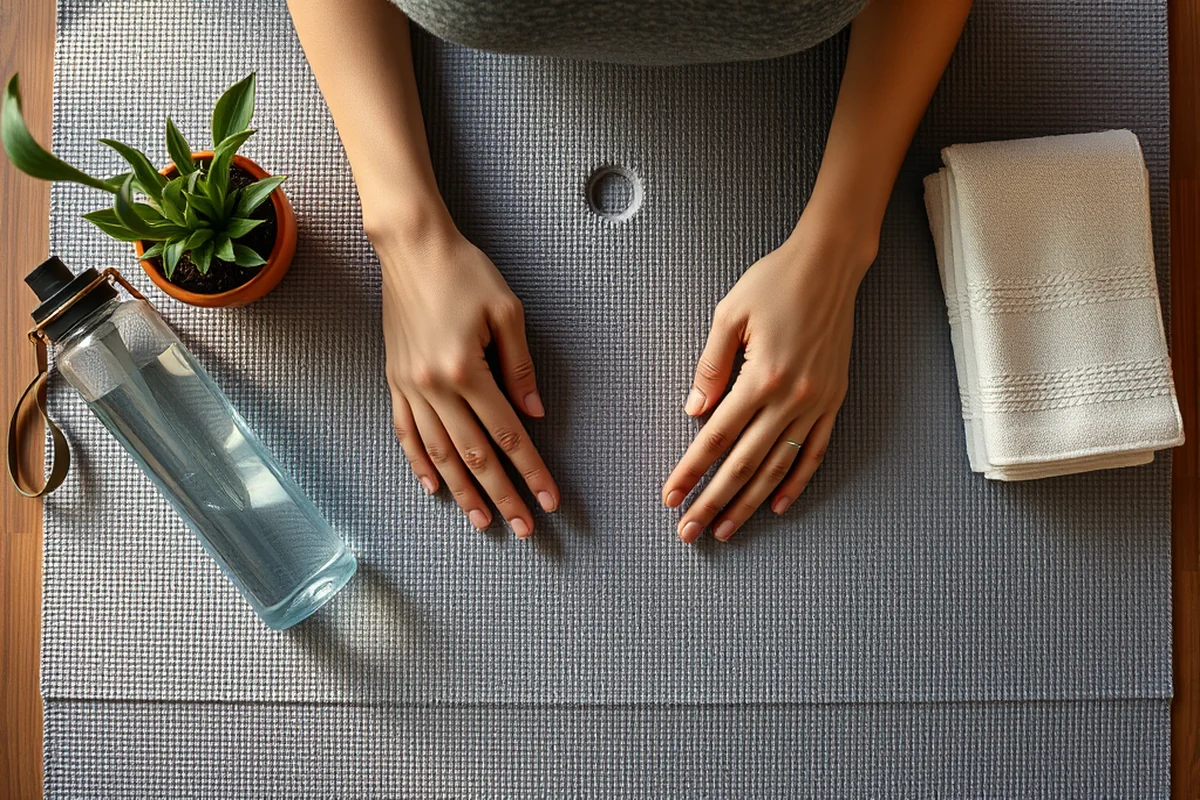
When I first started working on my core, I assumed that planks and crunches would be enough. But I quickly learned that it’s not just about strength—it’s about stability. My core had to engage in a way that supported the pelvis and kept it from tilting forward.
I began focusing on exercises like dead bugs and bird-dogs to improve core stability. These exercises require you to maintain a neutral pelvis while moving your limbs, which helps train the core to support the pelvis properly.
I now do core work at least four times a week, and I’ve noticed that my lower back pain has reduced significantly. It’s not just about having a six-pack; it’s about having a strong, stable core that keeps your pelvis in alignment.
Related: Pelvic floor exercise on ball
Progressive Strengthening for the Glutes
I used to think that doing glute bridges was the only way to strengthen my glutes. But I quickly learned that varying the exercises and increasing the difficulty over time was more effective. I started with bodyweight glute bridges and then moved on to weighted ones as my strength improved.
One of the most effective exercises I found was the hip thrust. It targets the glutes in a way that bridges don’t, and it’s excellent for building strength and stability. I now do three sets of 15 reps every other day.
It’s important to track your progress. I use a journal to note how many reps I can do each week and how my pelvis feels after each session. This helps me stay motivated and see the long-term benefits of my work.
Related: Relax pelvic floor
The Role of the Hamstrings in Pelvic Alignment
I used to ignore my hamstrings, thinking they weren’t related to my pelvis. But I learned that tight hamstrings can also play a role in anterior pelvic tilt by pulling the pelvis forward. This can make the lower back even more arched and uncomfortable.
Stretching the hamstrings is just as important as stretching the hip flexors. I now incorporate hamstring stretches like the seated forward fold and standing hamstring stretch into my daily routine. I hold each stretch for 30 seconds and repeat it three times.[2]
I’ve noticed that my lower back pain has improved even more since I started stretching my hamstrings regularly. It’s another piece of the puzzle that, when addressed, can make a real difference in your posture and comfort.
Don’t forget the hamstrings—they matter.
Related: How to pelvic floor therapy
Creating a Sustainable Routine
I used to try to do everything at once, but that didn’t work. I learned that consistency is more important than intensity. I now create a weekly plan that includes glute strengthening, core stability, hip flexor stretching, and hamstring mobility.
I make sure to do each part of the routine at least three times a week. I also track my progress in a journal to see how I’m improving over time. This helps me stay motivated and on track.
I’ve also learned to listen to my body. If I’m feeling sore or tired, I take a break or modify the exercises. It’s about finding a balance that works for me and helps me stay consistent in the long run.
🧘 Beginner
Start with basic stretches and bodyweight exercises, focusing on learning proper form and gradually increasing intensity.
🧬 Budget
No equipment needed—just your body weight and a foam roller. Affordable and accessible for everyone.
⏳ Fastest
Focus on high-impact, short-duration exercises that deliver quick results, ideal for busy individuals.
🏋️ Advanced
Incorporate resistance training and advanced mobility drills to push your body to the next level.
🔄 Maintenance
Keep your pelvis aligned with low-impact, consistent movements that support long-term stability.
| The mistake | Why it happens | The fix |
|---|---|---|
| Skipping the hip flexor stretches | Tight hip flexors are a major contributor to anterior pelvic tilt. Skipping them can prevent progress. | Make sure to stretch your hip flexors daily and hold each stretch for at least 30 seconds. |
| Overworking the lower back | Putting too much strain on the lower back can worsen the tilt and lead to pain. | Focus on glute and core exercises, and avoid exercises that put excessive pressure on the lower back. |
| Not tracking progress | Without tracking, it’s easy to lose motivation and forget to do the exercises regularly. | Use a journal or app to track your workouts and note any improvements in your posture and comfort. |
| Doing too many exercises at once | Trying to do everything at once can lead to burnout and inconsistency. | Start slowly and build up your routine over time. Focus on consistency rather than intensity. |
| Ignoring the hamstrings | Tight hamstrings can also contribute to anterior pelvic tilt, so neglecting them can hinder progress. | Incorporate hamstring stretches into your daily routine and hold each stretch for 30 seconds. |
How To Fix Anterior Pelvic Tilt
Common Questions
Can I fix anterior pelvic tilt on my own, or do I need a physical therapist?
How long does it take to see results?
Are there any exercises I should avoid if I have an anterior pelvic tilt?
Can anterior pelvic tilt cause other health issues?
References
- anterior pelvic tilt routine anterior pelvic tilt routine - Academia.edu (academia.edu)
- Comparison of two different stretching strategies to improve hip ... (pmc.ncbi.nlm.nih.gov)
Cite this guide
Pelvic Floor Activation Drills (2026). How To Fix Anterior Pelvic Tilt. https://groundedmove.com/how-to-fix-anterior-pelvic-tilt/
Feel free to cite or share this guide.