
Can You Strengthen Pelvic Floor
📖 Table of Contents
- What Is the Pelvic Floor and Why Does It Matter?
- Simple Exercises to Strengthen the Pelvic Floor
- The Role of Breathing in Pelvic Floor Health
- How Long Does It Take to See Results?
- The Psychological Benefits of Pelvic Floor Strengthening
- The Importance of Posture in Pelvic Floor Health
- How to Stay Motivated on Your Pelvic Floor Journey
- Make It Your Way
- Frequently Asked Questions
I used to think the pelvic floor was a concept only relevant to women — something that only came up during pregnancy or menopause. But after I started experiencing a subtle but persistent sense of heaviness in my lower abdomen, I learned that this is a common issue for anyone, regardless of gender or age. My journey to understanding the pelvic floor began with a Google search. What I found was more than just a set of exercises; it was a revelation about how our bodies function and how we can reclaim control. The short answer: Yes, you can strengthen your pelvic floor — and it's a journey worth taking.[1]
What I didn't expect was how quickly I'd feel the effects of simple, targeted exercises. I had no idea that daily habits — like posture, breathing patterns, and even how I moved — could influence the strength of muscles that most people don't even know exist. I remember the first time I did a Kegel correctly, and the immediate sense of relief was startling. It wasn't just the physical sensation; it was the mental shift that came with it — the realization that this was a part of my body I could take care of, just like I would my heart or my back.[2]
Now, I've been doing these exercises for over six months, and I've noticed a dramatic improvement in my core stability, posture, and even how I handle stress. I used to feel embarrassed talking about the pelvic floor, but now I'm passionate about sharing what I've learned. If you're wondering, 'can you strengthen pelvic floor,' the answer is a resounding yes — and the benefits are far more than just physical. You can reshape your relationship with your body, your confidence, and your overall well-being.[3]
Why You'll Love This Approach to Pelvic Floor Strengthening
- Increased core strength and posture without the need for expensive equipment.
- Improved bladder and bowel control, which can boost confidence in everyday life.
- A sense of empowerment through understanding and caring for your body's hidden muscles.
- Long-term benefits that extend beyond physical health, including emotional resilience.
What Is the Pelvic Floor and Why Does It Matter?
As of November 2026, the pelvic floor is a network of muscles that spans the bottom of the pelvis, and they're responsible for more than just continence. These muscles support the pelvic organs, help control urination and defecation, and contribute to sexual function. I used to think of the pelvic floor as a passive structure, but after learning more, I realized it's active and can be strengthened like any other muscle group.[4]
The pelvic floor is often ignored until there's a problem, but this only makes the issue worse. When I first started experiencing some light incontinence, I assumed it was a natural part of aging. But after a quick consultation with a physical therapist, I learned that this wasn't the case. Strengthening the pelvic floor can help prevent and even reverse these issues.
Understanding the pelvic floor is the first step to improving it. Once I realized that these muscles were not just about continence but also about core stability, I approached the task with more purpose and curiosity. This understanding changed how I moved, breathed, and even sat.
If you're unsure about your pelvic floor function, consider a physical therapy consultation. They can guide you through the process and ensure you're doing the right exercises.
Part of our Strengthen pelvic guide.
Simple Exercises to Strengthen the Pelvic Floor
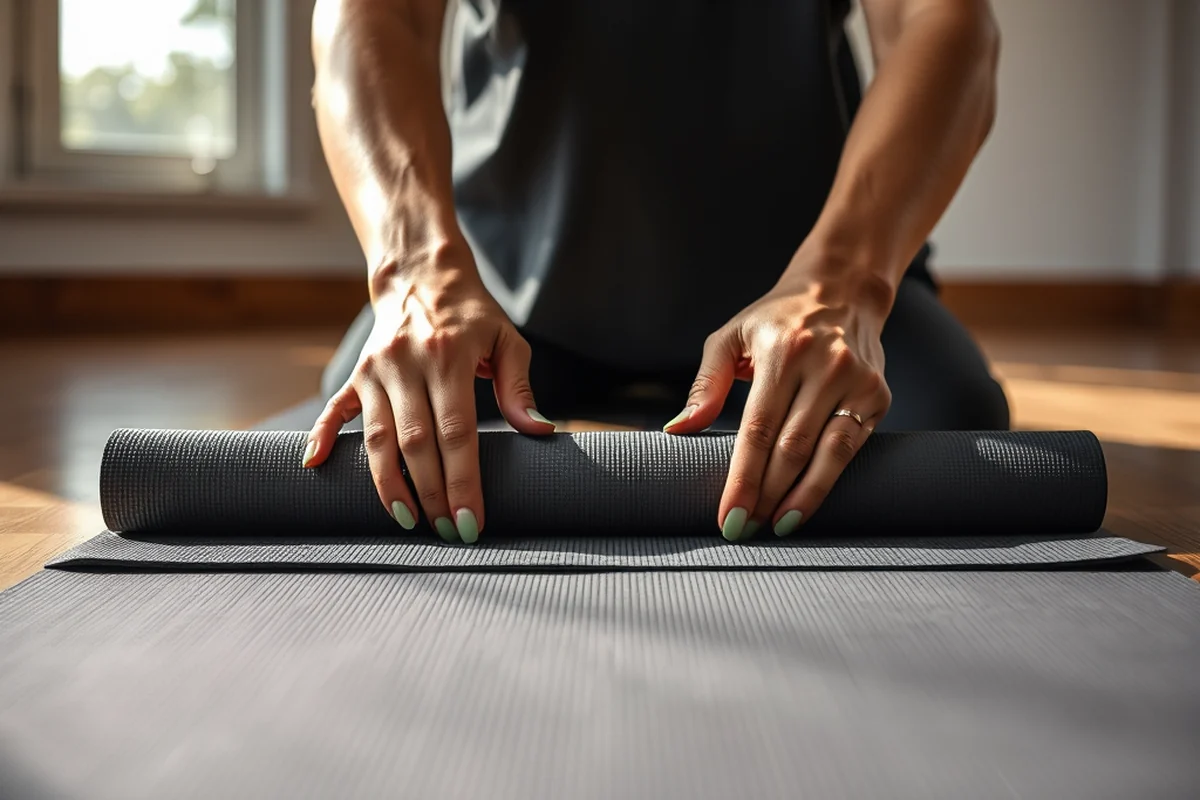
Kegels are the most well-known pelvic floor exercises, but there are others that are just as effective. I started with Kegels because they're simple: squeeze the muscles you use to stop urinating midstream and hold for a few seconds, then release. It's surprising how quickly you can get the hang of this.
Over time, I added more variety to my routine. I began doing bridges, which involve lying on my back with my knees bent and lifting my hips until my body forms a straight line from my knees to my shoulders. This helps activate the pelvic floor in a different way than Kegels alone.
I've also incorporated squats into my routine. When I squat, I focus on engaging my glutes and pelvic floor at the same time, which makes the exercises more effective. After a few weeks of doing this daily, I noticed a significant improvement in my core strength.
Strength is not just about lifting weights — it's about mastering the small, often-overlooked muscles in your body.
Related: Pelvic floor clinic
The Role of Breathing in Pelvic Floor Health
I used to breathe shallowly, especially when I was stressed or working out. But I learned that diaphragmatic breathing, where you inhale deeply into your belly and exhale slowly, can help activate the pelvic floor muscles. I started practicing this technique while doing my daily exercises, and it made a noticeable difference.
Breathing is one of the most underrated tools for pelvic floor health. When I focus on deep, slow breathing during exercises, I can feel the muscles engage more effectively. This practice has also helped me manage stress and improve my overall mental well-being.
Over time, I've noticed that I'm more relaxed and focused when I incorporate diaphragmatic breathing into my routine. It's a small change, but the effects are powerful. My body feels more balanced, and I'm more in tune with my internal signals.
Spend 5 minutes a day lying on your back, placing a hand on your abdomen and breathing deeply into it. This helps train your body to use the correct muscles for breathing and pelvic floor support.
“I used to think the pelvic floor was a concept only relevant to women — something that only came up during pregnancy or menopause.”— Pelvic Floor Activation Drills editors
Related: Pelvic floor best device
How Long Does It Take to See Results?
I was skeptical about how quickly I would see results, especially since the pelvic floor is such a subtle muscle group. But after about two weeks of daily exercises, I noticed that I could hold my bladder longer without leaking. This was a small but significant change that gave me more confidence.
Consistency is key with strengthening the pelvic floor. I found that doing a few exercises each day — even just 5 minutes — was enough to make a difference over time. It wasn't about doing more; it was about doing the right things consistently.
After about six weeks of practice, I felt a noticeable difference in my core strength and posture. My body felt more aligned, and I was less prone to back pain. It's amazing how small, daily habits can lead to such profound changes over time.
Related: Pelvic floor gynecologist near me
The Psychological Benefits of Pelvic Floor Strengthening
Before I started working on my pelvic floor, I often felt embarrassed or anxious about bodily functions. I didn't want to be caught in public or feel like I was losing control. But as I strengthened these muscles, my confidence grew, and I found myself less worried about these things.
This shift wasn't just physical; it was emotional. I felt more in control of my body and my life. I was no longer waiting for the next accident or worrying about how I'd handle certain situations. This sense of control was empowering in a way I hadn't anticipated.
I've noticed that my mental resilience has improved as well. Strengthening the pelvic floor has taught me that I can take care of myself in small but meaningful ways. This mindset has spilled over into other areas of my life, making me more proactive and confident.
Related: Kiwi pelvic floor reviews
The Importance of Posture in Pelvic Floor Health
I used to sit hunched over my laptop for hours, and I didn't realize how much that was affecting my pelvic floor. Once I started paying attention to my posture, I noticed that I was engaging my core and pelvic floor muscles more naturally.
Correct posture involves sitting with your back straight, feet flat on the floor, and shoulders relaxed. When I made this a habit, I found that I was less likely to experience pelvic floor weakness or discomfort. It's amazing how something as simple as posture can have such a big impact.
I also made an effort to stand tall and avoid slouching when I was moving around. This change in posture helped me feel more grounded and supported, both physically and mentally. It's a small but powerful shift that can make a big difference in the long run.
Posture isn't just about looking good — it's about how your body functions and feels every day.
Related: Pelvic floor physio best
How to Stay Motivated on Your Pelvic Floor Journey
I used to feel discouraged if I missed a day of exercises or didn't see immediate results. But I learned that progress is often slow and incremental. Setting small, achievable goals helped me stay on track.
Celebrating small victories is also important. When I noticed that I was holding my bladder longer or that my posture had improved, I took those as signs that I was on the right path. These small wins kept me motivated to keep going.
I also found it helpful to track my progress in a journal. Writing down how I felt each day and what improvements I noticed helped me see the big picture. It's not about perfection — it's about showing up and doing your best, even on the tough days.
🧘 Beginner Routine
Start with daily Kegels and diaphragmatic breathing, focusing on consistency and comfort.
💰 Budget-Friendly Plan
Use bodyweight exercises like bridges and squats to strengthen your pelvic floor without spending a dime.
⚡ Fastest Results
Combine Kegels with targeted core exercises and focus on posture for rapid improvements.
🔥 Advanced Techniques
Incorporate advanced exercises like pelvic floor activation drills and breathing patterns for deeper engagement.
🔄 Maintenance Plan
Once you've strengthened your pelvic floor, maintain it with weekly check-ins and regular practice sessions.
| The mistake | Why it happens | The fix |
|---|---|---|
| Doing Kegels too quickly or forcefully | This can cause muscle fatigue or even damage the pelvic floor muscles over time. | Practice Kegels with control and focus on slow, gentle contractions. |
| Neglecting posture during exercises | Poor posture can reduce the effectiveness of pelvic floor exercises and strain other muscles. | Maintain good posture by sitting or standing tall and engaging your core. |
| Ignoring the need for rest and recovery | Overworking the pelvic floor can lead to fatigue or even injury. | Allow your muscles time to rest and recover between sessions. |
| Assuming all exercises are the same | Different exercises target the pelvic floor in unique ways, and some may be more effective than others. | Vary your routine and focus on different muscle groups for a well-rounded approach. |
Can You Strengthen Pelvic Floor
Common Questions
How long should I do pelvic floor exercises each day?
Can I do these exercises while sitting or lying down?
What if I feel pain during the exercises?
How can I tell if I'm doing the exercises correctly?
References
- Can Digital Devices Help Exercise Your Pelvic Floor? - Cedars-Sinai (blog.cedars-sinai.edu)
- Flyte Device for Improving Urinary Incontinence among Endometrial ... (cancer.gov)
- Five exercises to strengthen your pelvic floor (cancer.uthscsa.edu)
- Differences in the Effectiveness of Electromagnetic Stimulation ... (clinicaltrials.gov)
Cite this guide
Pelvic Floor Activation Drills (2026). Can You Strengthen Pelvic Floor. https://groundedmove.com/can-you-strengthen-pelvic-floor/
Feel free to cite or share this guide.