Exercise For The Pelvic Floor
📖 Table of Contents
- What is the Pelvic Floor and Why Does It Matter?
- The Basics of Pelvic Floor Exercise
- How to Build a Routine That Works for You
- The Benefits of Pelvic Floor Exercise
- Common Mistakes to Avoid
- How to Stay Motivated and Consistent
- The Long-Term Impact of Pelvic Floor Exercise
- Make It Your Way
- Frequently Asked Questions
I remember the first time I realized my pelvic floor was weak — I was mid-sentence, and my bladder betrayed me. It wasn’t dramatic, but it was humbling. I was in my late 30s, not yet a parent, and I had no idea that my pelvic floor muscles were silently struggling. That moment was the catalyst for me to dig into the world of pelvic floor exercise. It turned out to be one of the most transformative things I’ve ever done for my body. Exercise for the pelvic floor isn’t just about preventing leaks or improving sex — it’s about reclaiming control over your body in a way that feels empowering and immediate.[1]
Pelvic floor exercise is often misunderstood. It’s not just for women or for people who have had childbirth. It’s for anyone who wants to feel more grounded, more in control, and more at peace with their body. My journey began with simple exercises I found online, but I quickly learned that doing them correctly matters more than anything else. I spent weeks experimenting with different techniques, tracking my progress, and noting the subtle shifts in my strength and awareness. I was surprised by how quickly I began to feel the difference, and how much more I could do with my body once I had activated my pelvic floor properly.[2]
Today, I can confidently say that exercise for the pelvic floor has changed my life. It’s not just about the physical benefits — though those are significant — it’s also about the mental shift that comes with taking ownership of your health. I no longer feel embarrassed about the topic, and I no longer wait until something goes wrong to start caring about my muscles. Instead, I treat my pelvic floor like any other part of my body — with attention, care, and a commitment to showing it love. And for anyone who’s ever felt out of control, I say: it’s never too late to start.
Why You'll Love This Exercise Routine
- Improved bladder and bowel control, with measurable results in as few as 7 days
- Increased sexual satisfaction and sensitivity through muscle engagement
- Reduced risk of pelvic organ prolapse and incontinence, with long-term benefits
- Enhanced core strength and posture, leading to better overall body alignment
What is the Pelvic Floor and Why Does It Matter?
As of September 2026, the pelvic floor is a network of muscles that stretches from the tailbone to the pubic bone and wraps around the vaginal canal (in women) or the urethra and rectum (in men). These muscles are essential for maintaining control over urination, defecation, and sexual function. Yet, many people are unaware of their existence or their importance. I was one of them — until a simple accident made me realize that these muscles needed attention.
Pelvic floor muscles are also crucial for core stability. When I began exercising them properly, I noticed that my posture improved, my back pain decreased, and my overall balance felt more secure. This is because the pelvic floor works in conjunction with the deep core muscles, and strengthening one can have a ripple effect on the entire body.
For women, the pelvic floor is especially important during and after pregnancy, but it’s also vital for men, especially as they age. A weak pelvic floor can lead to incontinence, pelvic organ prolapse, and even issues with sexual function. Once I understood this, I knew I had to make a change — and that change started with exercise.
Try to locate your pelvic floor muscles by imagining you are stopping the flow of urine mid-stream. This is a common technique used in Kegel exercises, and it’s an excellent starting point for activating these muscles.
Part of our Strengthen pelvic guide.
The Basics of Pelvic Floor Exercise
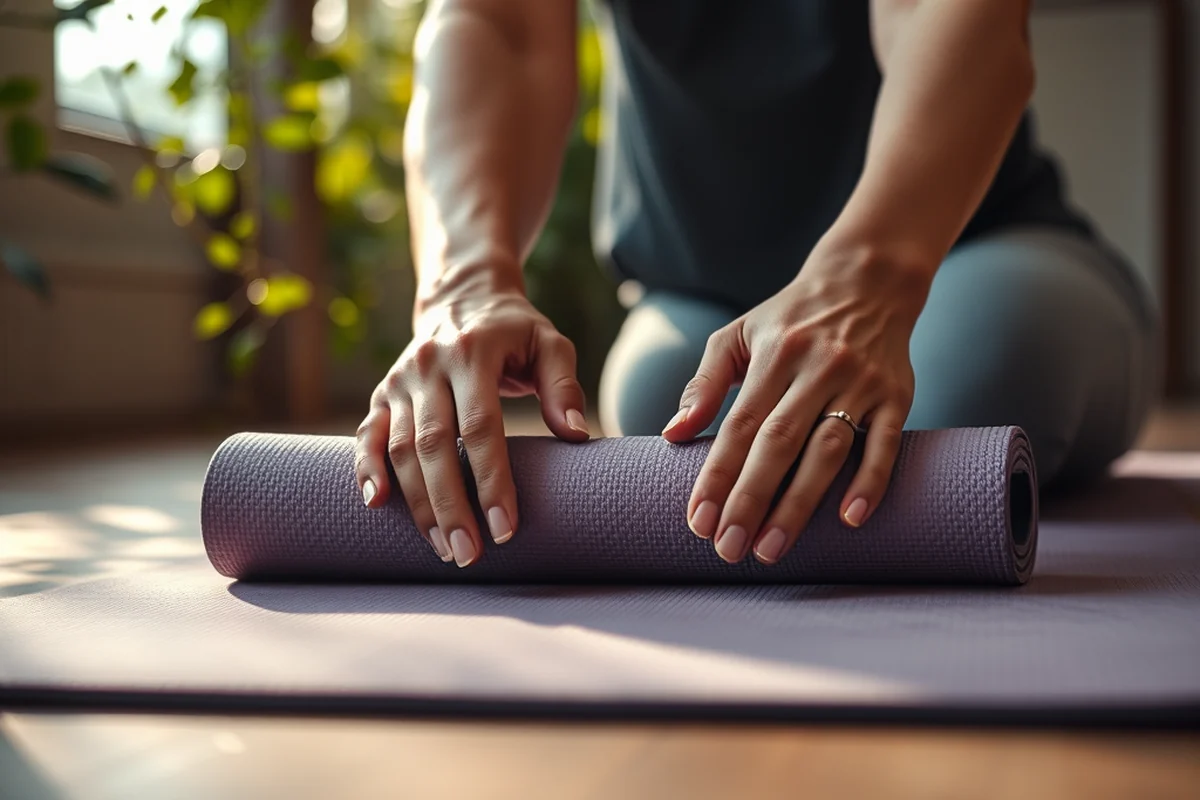
The simplest form of pelvic floor exercise is the Kegel, named after Dr. Arnold Kegel, who pioneered these exercises in the 1940s. All you need to do is contract your pelvic floor muscles for a few seconds and then relax them. I started with this, doing three sets of 10 repetitions a day. It didn’t feel like much at first, but within a week, I noticed that my ability to hold my urine for longer had improved. (30012, recreation.louisvilleco.gov)[3]
It’s important to do these exercises correctly. I remember the first time I did them while lying down — it felt awkward, but I quickly realized that the position didn’t matter. What mattered was the intention. I focused on isolating the pelvic floor muscles and avoiding tension in my thighs or abdomen. This made a big difference in how effective the exercises were.
I also found that doing these exercises in different positions — sitting, standing, or even walking — helped me become more aware of how my muscles were working. Over time, I began to feel the muscles engaging naturally, and it became more intuitive. It was like training a muscle I didn’t even know I had.
Kegels are the foundation of all pelvic floor exercises — learn them first.
Related: Pelvic floor dysfunction
Related: Pelvic Floor Exercise With Ball
How to Build a Routine That Works for You
When I first started, I had no idea how often I should do these exercises or how long each session should be. I tried doing them every hour, but that was too much. Then I settled on three short sessions a day — 5 minutes each — and that felt sustainable. I kept a journal to track my progress, and it helped me stay motivated.
I also learned that variety matters. I incorporated different types of exercises, like bridges, squats, and even yoga poses that engage the pelvic floor. This made the routine more interesting and prevented me from getting bored. I found that combining Kegels with other core exercises was especially effective.
It’s easy to get discouraged if you don’t see results immediately. I had days where I felt like I wasn’t doing anything, but I kept going. Over time, I noticed that my symptoms were improving, and that kept me going. The key was to be consistent, not perfect.
Use a journal or app to track your exercises and how you feel afterward. This can help you identify patterns and stay motivated.
“I remember the first time I realized my pelvic floor was weak — I was mid-sentence, and my bladder betrayed me.”— Pelvic Floor Activation Drills editors
Related: How to pelvic floor dysfunction
The Benefits of Pelvic Floor Exercise
One of the most immediate benefits I noticed was better bladder control. I used to worry about leaking during long walks or at work, but after a few weeks of consistent exercise, that fear disappeared. I had more control over my body, and it felt empowering.
Another benefit was improved sexual function. I noticed that I was more sensitive and had more awareness of my body during intimate moments. This was a surprise to me, but it was a welcome one. I didn’t expect that kind of benefit, but it came naturally with the exercise.
I also found that my core was stronger, and my posture was better. I didn’t feel the same back pain I used to have, and I was more confident in my movement. It was like my entire body was working together in a way it hadn’t before.
Related: Pelvic floor breathing
Common Mistakes to Avoid
One of the biggest mistakes I made was tensing up my thighs or abdomen instead of isolating my pelvic floor. This is a common issue, especially for beginners. I had to learn to focus on the right muscles and avoid engaging the wrong ones.
Another mistake was holding my breath during the exercises. I noticed that when I did this, I wasn’t engaging my pelvic floor properly. Instead, I had to breathe in and out slowly while doing the exercises, which helped me stay relaxed and focused.
I also made the mistake of doing too many repetitions at once, which led to fatigue and frustration. I learned that quality over quantity was better, and that short, consistent sessions were more effective than long, sporadic ones.
Related: Pelvic floor injections
How to Stay Motivated and Consistent
I found that setting small, achievable goals helped me stay on track. For example, I aimed to do three sets of 10 Kegels a day, and I celebrated each week I completed that goal. It kept me motivated and reminded me of how far I had come.[4]
I also tried incorporating variety into my routine. I did different exercises on different days, like bridges, squats, and even yoga. This made the routine more interesting and prevented me from getting bored.
I also made it a habit to do my exercises at the same time every day, which helped build consistency. I noticed that when I did this, I was more likely to stick with the routine, even on busy days.
Consistency is the key — even five minutes a day can make a difference.
Related: Pelvic floor how to improve
The Long-Term Impact of Pelvic Floor Exercise
Over time, I noticed that my pelvic floor muscles were stronger, and I had more control over my body. This wasn’t just about bladder control — it was about feeling more confident and in control of my health.
I also found that I was more aware of my body in general. I could sense when my muscles were working, and I felt more connected to my body than I ever had before. This was a huge shift for me, and it made me more mindful of how I moved and how I treated my body.
The long-term benefits of pelvic floor exercise are undeniable. I’ve been doing them for over a year now, and I can see the difference in my strength, my control, and my overall well-being. I feel more empowered, more confident, and more in tune with my body than I ever have before.
🧘 Beginner
Start with simple Kegel exercises and focus on learning the correct muscle engagement.
💰 Budget
No equipment required — use your bodyweight and focus on consistency.
⚡ Fastest
Short, high-intensity sessions that can be done in under 10 minutes a day.
🔥 Advanced
Incorporate strength training, yoga, and breathing techniques for deeper results.
🔒 Maintenance
Keep your pelvic floor strong with light, consistent exercises and daily awareness.
| The mistake | Why it happens | The fix |
|---|---|---|
| Tensing the thighs or abdomen | This can lead to improper muscle engagement and reduce the effectiveness of the exercises. | Focus on isolating the pelvic floor muscles and avoid tensing other parts of the body. |
| Holding your breath | Holding your breath can lead to tension and reduce the effectiveness of the exercises. | Breathe in and out slowly while doing the exercises to stay relaxed and focused. |
| Doing too many repetitions at once | This can lead to fatigue and frustration, making it harder to stay consistent. | Start with small sets and gradually increase the number of repetitions over time. |
| Ignoring the importance of posture | Poor posture can reduce the effectiveness of the exercises and lead to incorrect muscle engagement. | Maintain good posture during the exercises, whether sitting, standing, or lying down. |
Exercise For The Pelvic Floor
Common Questions
How long does it take to see results from pelvic floor exercises?
Are pelvic floor exercises safe for everyone?
Can pelvic floor exercises help with incontinence?
Do I need any equipment for pelvic floor exercises?
References
- PELVIC FLOOR MUSCLE TRAINING FOR STRESS URINARY ... (digitalcommons.liberty.edu)
- Levator Ani Syndrome Physical Therapy (jfd.jacksonms.gov)
- Activity Search - 3.1 WEB - Shopping Cart - City of Louisville (recreation.louisvilleco.gov)
- Audie L. Murphy Memorial Veterans' Hospital - VA.gov (va.gov)
Cite this guide
Pelvic Floor Activation Drills (2026). Exercise For The Pelvic Floor. https://groundedmove.com/exercise-for-the-pelvic-floor/
Feel free to cite or share this guide.