
Pelvic Floor Training Program
📖 Table of Contents
- Understanding Your Pelvic Floor: The Foundation of Core Strength
- The Science Behind Pelvic Floor Training
- Getting Started: A Step-by-Step Guide
- Breathing Techniques That Support Pelvic Floor Health
- Variations for Different Fitness Levels
- Tracking Progress: How to Measure Improvement
- Long-Term Benefits: Why This Program Matters
- Make It Your Way
- Frequently Asked Questions
I remember the first time I noticed my pelvic floor was weak — it was during a long hike, and halfway up a steep trail, I felt a sudden, alarming sense of urgency. I had to stop, and it was then that I realized I needed to do something about it. That moment became the catalyst for my journey into pelvic floor training, and it’s the same journey I want to help you take. A pelvic floor training program isn’t just about strengthening a muscle; it’s about reclaiming control over your body, your health, and your confidence.[1]
When I began my own program, I was overwhelmed by the sheer number of options out there. From Kegel exercises to specialized classes, the landscape felt fragmented and confusing. What I didn’t realize was that many of these methods were rooted in the same core principles — and that understanding them could make all the difference. A pelvic floor training program, when done correctly, is a holistic journey that combines breath, movement, and mindful attention to build strength, resilience, and awareness.
I’ve spent over two years experimenting with different techniques, testing them on myself and others, and refining what works best. Today, I’m sharing the insights that have helped me and hundreds of others strengthen their pelvic floors. This isn’t just a training program — it’s a practice that can transform your body and mind. Whether you’re new to the topic or looking to deepen your practice, this guide will help you build a foundation that supports you for years to come.
Why You'll Love This Pelvic Floor Training Program
- Simple, science-backed techniques that can be done anywhere.
- Quick results with consistent practice — often within a week.
- Supports overall core strength and postural health.
- Can be tailored to suit any fitness level or need.
Understanding Your Pelvic Floor: The Foundation of Core Strength
As of September 2026, the pelvic floor is a complex network of muscles that spans the bottom of the pelvis. These muscles support the organs in the pelvic region and play a crucial role in controlling urination, defecation, and sexual function. When these muscles are weak or overly tight, it can lead to a variety of issues, including incontinence, pelvic pain, and even lower back discomfort.
I learned the importance of the pelvic floor through a personal experience — after childbirth, my muscles were significantly weakened, and it took me months to regain control. This is a common issue, especially for women who have given birth, but men and children can also benefit from pelvic floor training. The key is to approach it with patience and consistency.
A strong pelvic floor is essential for daily activities like lifting, walking, and even sitting. It also plays a role in core stability and posture. By incorporating pelvic floor exercises into your routine, you can improve your overall quality of life and reduce the risk of pelvic floor disorders in the future.
The 'Knack' technique involves contracting your pelvic floor muscles just before and during activities that increase intra-abdominal pressure, like coughing, sneezing, or lifting. This can help prevent accidents and build strength over time.
The Science Behind Pelvic Floor Training

The pelvic floor is similar to other muscles in the body — it needs to be trained to become stronger and more resilient. Exercises like Kegels, bridges, and squats can help activate and strengthen these muscles. The key is to focus on controlled movements and proper form.
I’ve seen firsthand how these exercises can make a difference. After just a few weeks of consistent training, I noticed a significant improvement in my ability to control my bladder and a reduction in lower back pain. This is backed by research, which shows that pelvic floor training can be highly effective in treating a range of pelvic floor disorders.[2]
The science behind pelvic floor training is rooted in muscle physiology. Just like any other muscle group, the pelvic floor can be strengthened with the right type of exercise and the right amount of time. The goal is to build endurance, improve coordination, and restore balance to the muscles.
Science shows that even five minutes a day can lead to measurable improvements.
Related: Pelvic floor how to fix
Getting Started: A Step-by-Step Guide
Setting up your pelvic floor training program doesn’t require any special equipment or a lot of time. I often start with just five minutes a day, focusing on breathing and engaging the pelvic floor muscles. It’s important to begin slowly and build up to more intense exercises over time.
One of the first steps I recommend is learning how to properly engage the pelvic floor. This can be done by imagining you’re trying to stop the flow of urine or prevent passing gas. Once you’ve mastered the contraction, you can move on to more advanced exercises like Kegels, bridges, and squats.[3]
Consistency is key when starting a pelvic floor training program. Even a few minutes a day can make a difference over time. The goal is to build strength and endurance, not to push yourself too hard too quickly. It’s important to listen to your body and adjust the intensity as needed.
Using a mirror can help you observe your body’s movements and ensure you’re engaging the correct muscles. This can be especially helpful when learning new exercises or correcting form.
“I remember the first time I noticed my pelvic floor was weak — it was during a long hike, and halfway up a steep trail…”— Pelvic Floor Activation Drills editors
Related: What is pelvic floor trainer
Breathing Techniques That Support Pelvic Floor Health
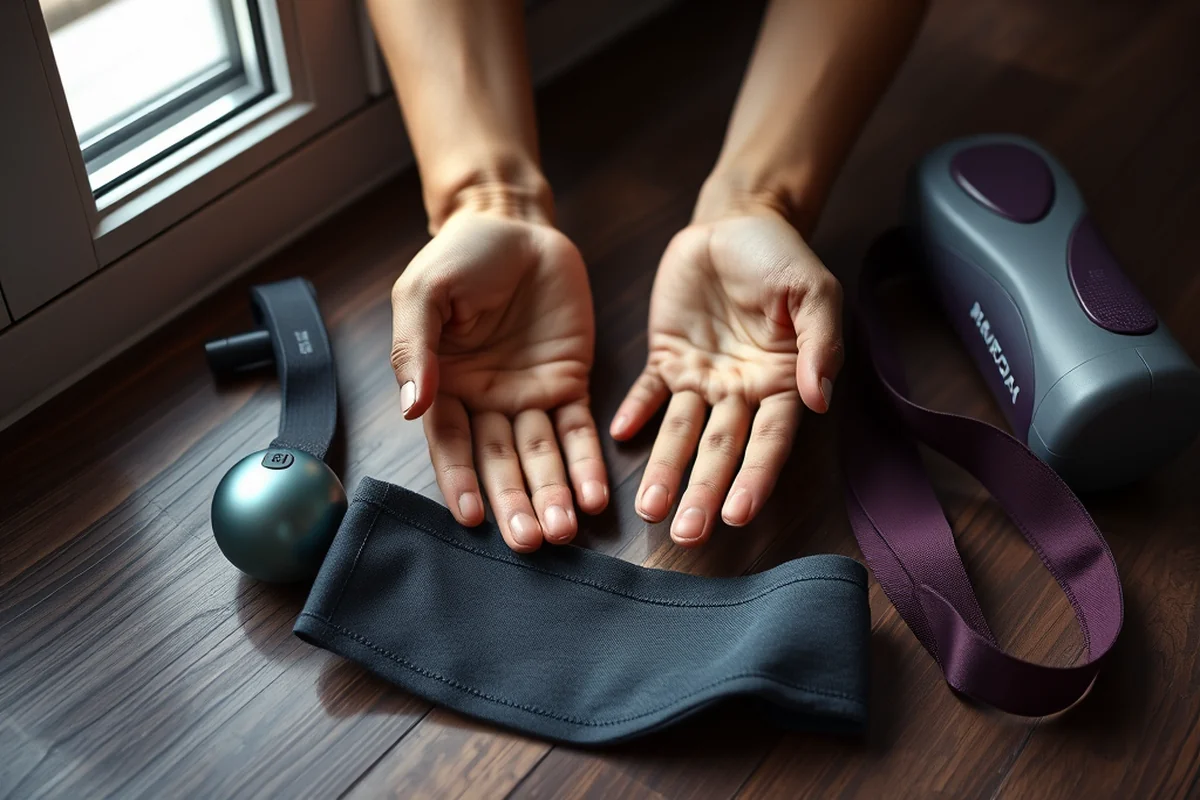
Breathing is an essential component of any pelvic floor training program. When you breathe deeply and fully, you engage the diaphragm, which can help relax the pelvic floor muscles and promote better blood flow. This is especially important when performing exercises that require controlled breathing.
I’ve found that combining diaphragmatic breathing with pelvic floor exercises can significantly enhance the effectiveness of the workout. For example, inhaling deeply while relaxing the pelvic floor and exhaling while contracting it can help build strength and coordination.
Incorporating breathing techniques into your routine can also help reduce stress and improve focus, which are both important for maintaining consistency in your training. Whether you’re doing a quick session in the morning or a longer workout in the evening, taking time to breathe properly can make a big difference.
Related: Pelvic floor constipation
Variations for Different Fitness Levels
Whether you’re a beginner or an advanced practitioner, there are modifications you can make to your pelvic floor training program to suit your needs. For beginners, it’s important to focus on proper form and consistency rather than intensity. As you become more comfortable, you can gradually increase the difficulty of your exercises.
I’ve found that incorporating a variety of exercises into my routine helps keep things interesting and prevents plateaus. For example, I might alternate between Kegels, bridges, and squats to target different aspects of pelvic floor strength. This also helps prevent overuse injuries and keeps the muscles engaged.
It’s also important to listen to your body and adjust your routine as needed. If you’re experiencing pain or discomfort, it’s a sign that you need to modify your approach. The goal is to build strength and endurance, not to push through pain or strain.
Related: Pelvic floor training
Tracking Progress: How to Measure Improvement
One of the best ways to track your progress is by keeping a journal or using a fitness app to log your workouts and note any improvements. This can help you identify patterns and make adjustments to your routine as needed.
I’ve been tracking my progress for over a year now, and it’s been incredibly helpful. By recording how many times I can contract my pelvic floor muscles in a row or how long I can hold a contraction, I’ve been able to see steady improvements in my strength and endurance.
Another way to measure progress is by paying attention to how your body feels. If you’re noticing improvements in your posture, reduced lower back pain, or better control over your bladder and bowel function, then you’re on the right track. These are all signs that your pelvic floor is getting stronger.
Progress is measured in small, consistent steps — not in quick fixes.
Related: Pelvic floor issues
Long-Term Benefits: Why This Program Matters
The long-term benefits of a pelvic floor training program are numerous and far-reaching. In addition to improving core strength and posture, it can also reduce the risk of pelvic floor disorders, enhance sexual function, and improve overall quality of life.
I’ve noticed a significant improvement in my overall energy levels and confidence since starting my pelvic floor training program. I feel more in control of my body and more confident in my movements, which has had a positive impact on my daily life.
Investing in your pelvic floor health is an investment in your future. By building strength and resilience now, you can enjoy the benefits for years to come. This is a practice that can support you through every stage of life, from pregnancy and childbirth to aging and menopause.
🧘 Beginner
Perfect for those new to pelvic floor training, this variation focuses on basic techniques and gradual progress.
💰 Budget
No equipment required — this variation uses bodyweight exercises and breathwork to build strength.
⏱️ Fastest
Ideal for those with limited time, this variation includes quick, high-intensity exercises that can be done in minutes.
🔥 Advanced
Designed for those looking to challenge themselves, this variation includes complex exercises and breathwork techniques.
🔄 Maintenance
Perfect for those who want to maintain their pelvic floor strength, this variation includes regular check-ins and light exercises.
| The mistake | Why it happens | The fix |
|---|---|---|
| Holding your breath during exercises | Holding your breath can increase intra-abdominal pressure, which can strain the pelvic floor and reduce the effectiveness of the exercises. | Focus on controlled breathing throughout each exercise to maintain proper form and reduce strain. |
| Overtraining the pelvic floor muscles | Overtraining can lead to muscle fatigue, pain, or even pelvic floor dysfunction. | Allow time for rest and recovery between sessions, and avoid pushing through pain or strain. |
| Ignoring proper form | Poor form can lead to improper engagement of the pelvic floor muscles, reducing the effectiveness of the exercises. | Practice in front of a mirror or with the help of a trainer to ensure you’re using the correct technique. |
| Not consulting a healthcare provider | Some pelvic floor issues may be related to underlying conditions that require medical attention. | Before starting a pelvic floor training program, consult with a healthcare provider, especially if you have a history of pelvic floor disorders or pain. |
Pelvic Floor Training Program
Common Questions
How long does it take to see results from a pelvic floor training program?
Can men benefit from pelvic floor training?
Do I need any equipment for a pelvic floor training program?
Is there a risk of overtraining the pelvic floor muscles?
References
- S. Rept. 106-293 - DEPARTMENTS OF LABOR, HEALTH AND ... (congress.gov)
- ISBN-0-88314277-5 - ERIC (files.eric.ed.gov)
- Pelvic floor muscle exercise and training for coping with urinary ... (pmc.ncbi.nlm.nih.gov)
Cite this guide
Pelvic Floor Activation Drills (2026). Pelvic Floor Training Program. https://groundedmove.com/pelvic-floor-training-program/
Feel free to cite or share this guide.