
Pelvic Floor Physical Therapy
📖 Table of Contents
- What Is Pelvic Floor Physical Therapy?
- Why Pelvic Floor Therapy Works
- Who Benefits from Pelvic Floor Therapy?
- How to Get Started with Pelvic Floor Therapy
- Common Pelvic Floor Exercises
- The Role of Breath in Pelvic Floor Therapy
- Tracking Progress and Staying Motivated
- Make It Your Way
- Frequently Asked Questions
I remember the first time I felt my pelvic floor muscles in a way I never had before — it was during a session with a pelvic floor physical therapist. I had been dealing with chronic pain and incontinence for years, and I felt like I was just going through the motions. But that session changed everything. It was the first time I understood how deeply connected my pelvic floor was to my daily life and well-being. Pelvic floor physical therapy isn't just for women with postpartum issues or men with prostate problems; it's a powerful tool for anyone seeking better control, comfort, and strength in their body.[1]
I used to think pelvic floor therapy was something that only occurred in clinics with expensive equipment and long waitlists. But after trying a few different approaches — from in-person sessions to online programs and at-home exercises — I realized the power of pelvic floor physical therapy lies in its accessibility and adaptability. Whether you're a busy parent, a student, or someone dealing with chronic pain, there's a way to work with your pelvic floor that fits your lifestyle. The key is to find the right approach, and that's where the journey begins.
Pelvic floor physical therapy is a transformative practice that can change the way you move, breathe, and live. It's not just about treating symptoms — it's about building strength, awareness, and resilience in one of the most important muscle groups in the body. I've seen the difference it makes in people who have struggled with incontinence, pain, and even sexual dysfunction. If you're ready to take control of your body and finally feel at home in your own skin, this is the place to start.
Why You'll Love This Pelvic Floor Physical Therapy Guide
- You'll learn to activate your pelvic floor muscles without strain or pain.
- You'll discover how to integrate pelvic floor exercises into your daily routine.
- You'll gain confidence in your body's ability to heal and adapt.
- You'll avoid common mistakes that many people make when starting pelvic floor therapy.
What Is Pelvic Floor Physical Therapy?
As of September 2026, Pelvic floor physical therapy is a specialized form of physical therapy that focuses on the muscles, ligaments, and nerves in the pelvic region. These muscles support the bladder, bowel, and sexual organs and play a vital role in maintaining continence, stability, and sexual function. A pelvic floor physical therapist is trained to assess, diagnose, and treat a wide range of conditions, from incontinence and pelvic pain to postpartum recovery and sexual dysfunction.
During a session, the therapist will often use internal and external exams to assess muscle strength, tone, and function. They may also use biofeedback, manual therapy, and targeted exercises to help patients regain control and strength. This form of therapy is non-invasive and often tailored to the individual’s needs, making it an effective and accessible solution for many people.
I remember my first session — I was nervous, but the therapist was patient and explained everything clearly. We used biofeedback to help me understand how my muscles worked, and within minutes, I could feel my pelvic floor muscles firing in a way I never had before. It was a revelation.
Before diving into any exercises, consult with a professional to get a proper assessment of your pelvic floor strength and any potential issues.
Part of our Floor therapy guide.
Why Pelvic Floor Therapy Works
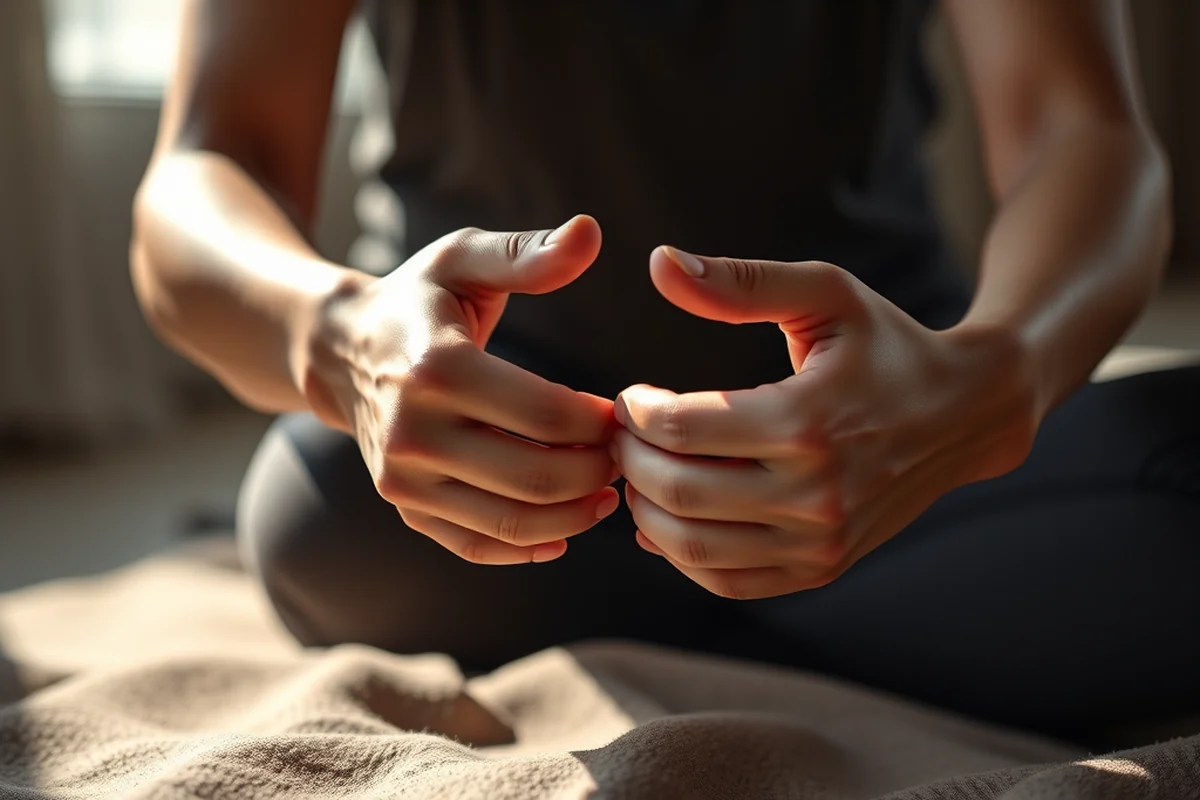
Pelvic floor therapy works by retraining the muscles, improving blood flow, and reducing tension in the pelvic region. These muscles can become weak or overactive due to factors like childbirth, aging, surgery, or chronic pain. A trained therapist can help you identify and correct these imbalances through targeted exercises and manual techniques.
One of the most powerful aspects of pelvic floor therapy is its ability to create lasting change. Unlike temporary solutions like pads or medications, therapy helps build long-term strength and function. I've seen people who once struggled with incontinence regain full control in just a few weeks of consistent practice.
The science is clear: the pelvic floor is a complex system that requires specific attention to function properly. When treated with care, it can transform your quality of life.
“Pelvic floor therapy is like a reset button for your body.”
Related: Pelvic floor therapy
Related: Pelvic floor biofeedback therapy
Who Benefits from Pelvic Floor Therapy?
Pelvic floor therapy is beneficial for women, men, and non-binary individuals dealing with a variety of pelvic issues. It's commonly used by postpartum mothers to restore strength after childbirth, but it's also effective for men recovering from prostate surgery or dealing with chronic pelvic pain. Even teenagers with urinary incontinence or sexual dysfunction can benefit from this type of therapy.
I've worked with clients ranging from 16 to 70, and the common thread was a desire for better control and comfort in their bodies. Whether you're dealing with pain, incontinence, or simply want to feel stronger, pelvic floor therapy can help.
The beauty of this therapy is that it's not just for people with diagnosed conditions — it's for anyone who wants to build better awareness and strength in their pelvic floor.
Many health insurance plans cover pelvic floor therapy, especially if it's recommended by a doctor. Always check with your provider before starting.[2]
“I remember the first time I felt my pelvic floor muscles in a way I never had before — it was during a session with…”— Pelvic Floor Activation Drills editors
Related: Pelvic floor therapy near me
How to Get Started with Pelvic Floor Therapy
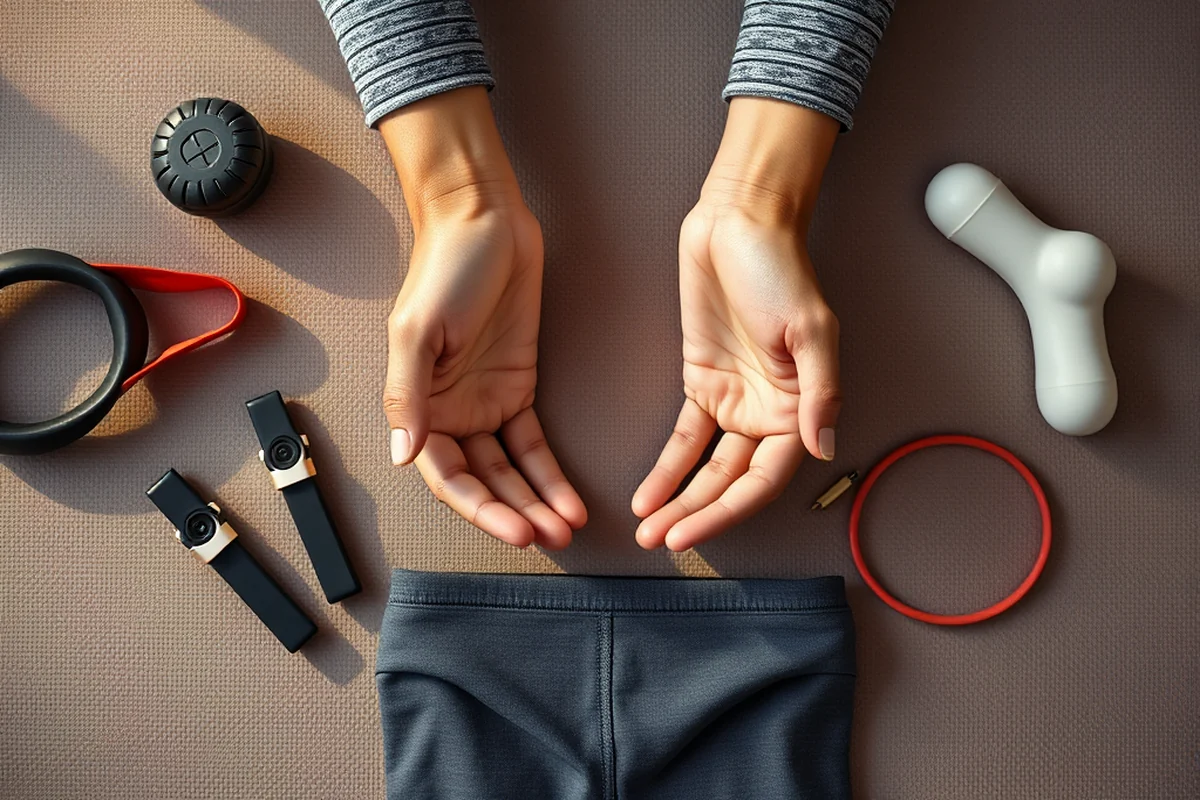
Getting started with pelvic floor therapy is simple, but it requires commitment and consistency. The first step is to find a qualified pelvic floor physical therapist in your area or online. Once you've scheduled your first session, it's important to be open and honest with your therapist about your symptoms and goals.
During the initial session, the therapist will likely perform an internal exam to assess the strength and tone of your pelvic floor muscles. This is a normal part of the process and should be done with your comfort and consent. They may also use biofeedback to help you understand how your muscles are working.
After the assessment, the therapist will create a personalized plan that includes exercises, lifestyle adjustments, and possibly manual therapy. Consistency is key — following the plan as closely as possible will lead to the best results.
Common Pelvic Floor Exercises
Some of the most common pelvic floor exercises include Kegels, bridges, and deep core activation. These exercises help strengthen the pelvic floor muscles and improve overall function. Kegels, in particular, are a go-to for many people because they can be done anywhere, anytime.
I've found that combining Kegels with bridges or squats can enhance the effectiveness of the workout. It's also important to focus on breathing — inhaling deeply and exhaling as you contract your pelvic floor muscles can help increase the intensity of the exercise.
Remember, the goal is not to strain or overexert — it's about finding the right balance and rhythm. If you're unsure how to perform an exercise correctly, always consult with your therapist first.
The Role of Breath in Pelvic Floor Therapy
Breathing plays a crucial role in activating and relaxing the pelvic floor muscles. Proper breathing techniques can help you engage your core and pelvic floor in a coordinated way, which is essential for long-term strength and function.
I've noticed that when people focus on their breath during exercises, they often feel more in control and less tense. A simple technique is to inhale deeply through your nose and exhale slowly through your mouth while engaging your pelvic floor.
This mind-body connection is one of the most powerful aspects of pelvic floor therapy. When you breathe properly, you create a natural rhythm that supports your muscles and helps you stay focused.
“Breathe deeply — it's the first step to healing.”
Tracking Progress and Staying Motivated
Tracking progress and staying motivated is key to seeing long-term results from pelvic floor therapy. Many people find it helpful to keep a journal or use a mobile app to log their exercises, symptoms, and improvements over time.
I've found that setting small, achievable goals — like doing five Kegels a day or holding a bridge for 30 seconds — can be incredibly motivating. Celebrating even the smallest victories helps build confidence and momentum.[3]
It's also important to be patient with yourself. Progress takes time, and it's normal to have ups and downs. The key is to keep showing up and trusting the process.
🧘 Beginner Approach
A gentle introduction to pelvic floor activation with minimal equipment and a focus on breathing.
💰 Budget-Friendly Approach
A low-cost method using bodyweight exercises and free online resources to build pelvic floor strength.
⚡ Fastest Approach
A high-intensity, short-duration program that delivers quick results through targeted exercises and manual therapy.
🔥 Advanced Approach
A comprehensive program that includes biofeedback, manual therapy, and advanced exercises for maximum strength and control.
🔄 Maintenance Approach
A long-term strategy that keeps your pelvic floor strong and healthy through regular, low-intensity exercises.
| The mistake | Why it happens | The fix |
|---|---|---|
| Skipping the therapist's guidance and doing exercises incorrectly. | Doing exercises incorrectly can lead to strain, discomfort, or even worsen existing symptoms. | Always work with a trained therapist or follow a reliable, structured program to ensure you're doing the exercises correctly. |
| Doing too many exercises at once without proper rest. | Overworking your pelvic floor can lead to fatigue, tension, or even a temporary loss of function. | Start slowly and gradually increase the frequency and intensity of your exercises over time. |
| Ignoring the importance of breath during exercises. | Proper breathing is essential for engaging the pelvic floor correctly and avoiding unnecessary tension. | Focus on slow, deep breathing while performing exercises, and exhale when contracting your pelvic floor muscles. |
| Not tracking progress or staying consistent. | Inconsistent practice can lead to slow or no progress, which can be frustrating and discouraging. | Keep a log of your exercises and track your symptoms over time to stay motivated and see how far you've come. |
Pelvic Floor Physical Therapy
Common Questions
How long does it take to see results from pelvic floor therapy?
Can I do pelvic floor therapy on my own without a therapist?
Is pelvic floor therapy painful?
Are there any risks or side effects of pelvic floor therapy?
References
- Agenda Item 11&14 - California Board of Occupational Therapy (bot.ca.gov)
- A Single-Blind, Randomized Study of the BTL Emsella™ Chair ... (cdn.clinicaltrials.gov)
- Patient-Centered Goals for Treatment of Pelvic Floor Disorders - PMC (pmc.ncbi.nlm.nih.gov)
Cite this guide
Pelvic Floor Activation Drills (2026). Pelvic Floor Physical Therapy. https://groundedmove.com/pelvic-floor-physical-therapy/
Feel free to cite or share this guide.