Pelvic Floor Activation
📖 Table of Contents
There I was, mid-squat in my living room, when I felt that telltale twinge in my lower abdomen. It was subtle, like a flicker of a flame that I hadn’t noticed until it was already there. That moment made me realize how little I actually knew about my own body, especially the pelvic floor—a part of me I’d never really paid attention to until now. It was the start of my journey into pelvic floor activation, and I’m not alone in this. Millions of people, from new mothers to athletes, are discovering the power of this often-overlooked muscle group.
I had always assumed that 'core strength' meant six-pack abs or a tight transverse abdominis. But as I delved deeper, I found out that the pelvic floor is not just a part of the core—it’s the foundation. It plays a critical role in everything from sexual health to urinary control and even posture. Pelvic floor activation is not just about strength; it's about connection, awareness, and balance. For someone like me, who had been experiencing occasional incontinence and low back pain, it was a game-changer.
I began with the most basic exercises, like Kegels, but quickly learned that they weren’t enough. The key was understanding how to activate the pelvic floor in a way that felt natural, not forced. It was like learning a new language—slow, deliberate, and full of nuance. Pelvic floor activation is more than a set of exercises; it's a practice that requires patience, intention, and a bit of self-compassion. And now, after weeks of daily practice, I can feel the difference in my body, from increased control to a newfound sense of confidence.
Why You'll Love This Practice
- Improved bladder and bowel control with consistent practice
- Enhanced sexual function and sensitivity through better muscle engagement
- Reduced low back pain by stabilizing the pelvis and core
- Increased body awareness and control for daily life and movement
What Is Pelvic Floor Activation?
As of September 2026, the pelvic floor is a group of muscles that stretch like a hammock from the tailbone to the pubic bone. These muscles support the bladder, bowel, and sexual organs. When activated properly, they provide stability, control, and comfort. Pelvic floor activation is not just for women or people who have had childbirth; it's for anyone looking to improve their core strength and pelvic health.[1]
Learning to activate these muscles is like learning to breathe deeply into the lower abdomen. It's about awareness and intention. For some, it might take a few minutes each day to master the technique, but the results are well worth the effort. I remember my first successful contraction—it felt like a small victory, a moment of connection between mind and muscle.
The key is to avoid tension and focus on the sensation of gently drawing the muscles upward. This is different from the usual Kegel exercises, which can sometimes lead to over-contraction and discomfort. Pelvic floor activation is about balance, not brute force.
Before any exercise, take a slow, deep breath in through your nose. This helps you stay relaxed and focused as you engage the muscles.
Part of our Floor activation guide.
How to Begin Pelvic Floor Activation
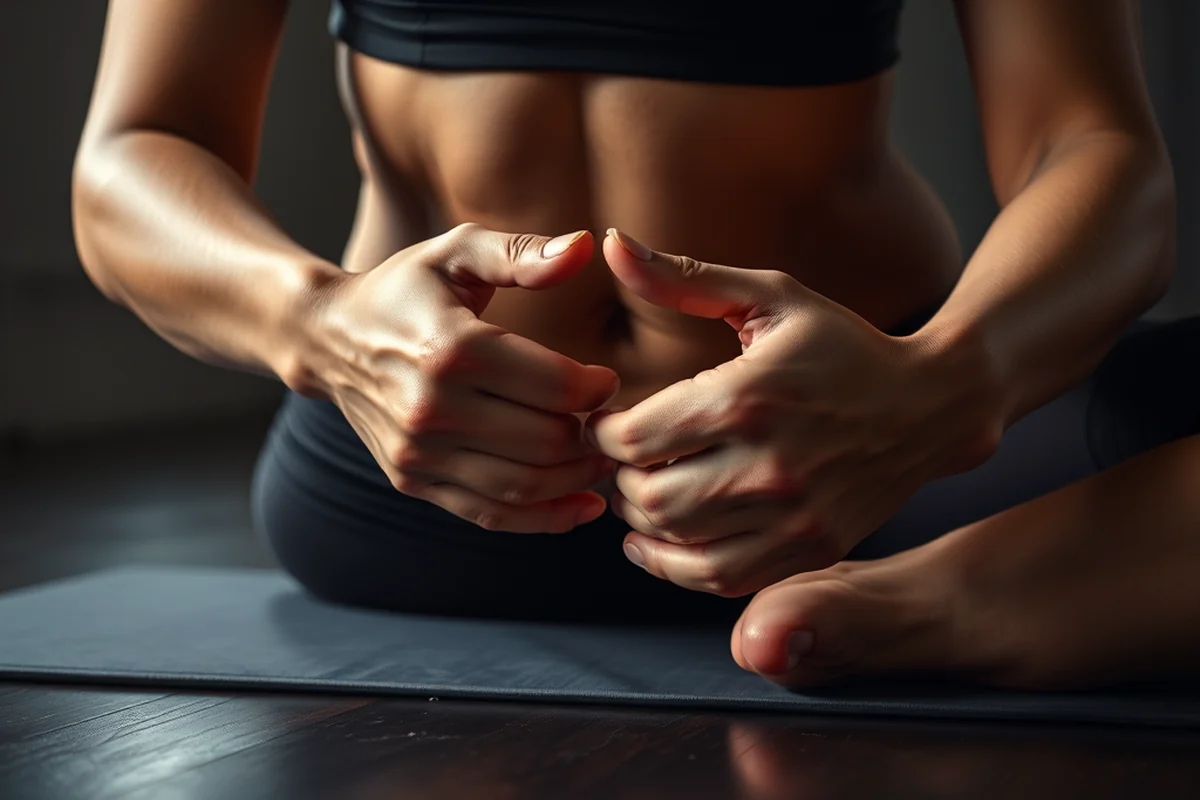
The first step is to find a quiet, comfortable place where you can focus on your body without distractions. Sit or lie down in a position that feels natural. Close your eyes and bring your attention to the area between your legs. This is where the pelvic floor muscles are located, and it's a space that many of us rarely pay attention to.
Once you're settled, take a few deep breaths. Let your body relax and release any tension. Then, gently try to contract the muscles as if you're stopping the flow of urine. Hold for a few seconds, then release. This is the basic Kegel, but the activation should feel natural, not forced.
Over time, you can increase the duration of your contractions and add variations, like holding and releasing multiple times. The goal is to build strength and control without strain. I recommend starting with three sets of 10 contractions each day and gradually increasing as you feel comfortable.[2]
Start small, but be consistent.
Related: Gentle pelvic floor activation
Related: Pelvic floor activation breathing
Related: Pelvic floor glute activation
Related: Pelvic floor problems
The Science Behind Pelvic Floor Activation
Studies have shown that pelvic floor activation can improve urinary continence, reduce pelvic organ prolapse, and even enhance sexual function. These muscles are often ignored until there's a problem, but proactive engagement can prevent many of these issues before they arise.[3]
One study published in the Journal of Urology found that men who practiced pelvic floor exercises had improved erectile function and better urinary control. For women, the same exercises were linked to reduced symptoms of stress incontinence and improved sexual satisfaction.[4]
This isn't just about health—it's about quality of life. Whether you're a new mother, an athlete, or simply someone who wants to feel more in control of their body, pelvic floor activation can make a real difference. I've noticed a significant improvement in my own pelvic health, and it's not something I can ignore anymore.
Biofeedback devices can help you understand when you're actually activating the right muscles. They’re a great tool for beginners who want to ensure they're doing the exercises correctly.
“There I was, mid-squat in my living room, when I felt that telltale twinge in my lower abdomen.”— Pelvic Floor Activation Drills editors
Related: Sitting pelvic floor activation
Related: Pelvic floor for women
Common Mistakes to Avoid

One of the most common mistakes is over-contraction. This can lead to muscle fatigue and even pain. The pelvic floor muscles should be engaged gently, not forcefully. It's important to focus on the sensation rather than the effort.
Another mistake is tension in the surrounding muscles, such as the glutes or thighs. This can happen when you're not fully relaxed, and it can actually reduce the effectiveness of the exercise. Make sure your body is relaxed and your focus is on the lower abdomen.
Rushing through the process is also a mistake. Pelvic floor activation is about mindfulness and connection. Take your time, and don’t push yourself too hard. Progress comes with consistency, not speed.
The Benefits of Pelvic Floor Activation
One of the most immediate benefits is improved bladder control. For many people, especially women who have given birth, this is a significant concern. Pelvic floor activation helps strengthen the muscles that support the bladder, leading to better control and reduced leakage.
Another benefit is enhanced sexual function. Strong, activated pelvic floor muscles can increase sensitivity and improve sexual satisfaction for both men and women. I’ve noticed a greater sense of control and pleasure in my intimate moments since I began practicing.
Finally, pelvic floor activation can reduce low back pain. Weak pelvic floor muscles can contribute to poor posture and strain on the lower back. By strengthening these muscles, you can improve your overall posture and reduce discomfort.
How Long Until You See Results?
It depends on the individual, but I’ve noticed that most people see some improvement within the first two weeks. This might be a better sense of control, a reduction in leakage, or simply a greater awareness of the muscles at play.
For more significant results, like a noticeable increase in strength or a marked improvement in symptoms, it might take a few months. Consistency is key here. Practicing pelvic floor activation regularly, even if it’s just for a few minutes each day, makes a difference.
I’ve been practicing for about six weeks now, and I’ve seen a real change in my body. It’s not just about the physical benefits—it’s also about the mental shift. I feel more in control of my body and more confident in my daily life.
Consistency is the secret to success.
Pelvic Floor Activation for Different Lifestyles
For athletes, pelvic floor activation is crucial for performance and injury prevention. Strong pelvic floor muscles support core stability, which is essential for power and endurance. I know a few athletes who’ve incorporated these exercises into their training and seen a real difference in their performance.
For new parents, especially mothers, pelvic floor activation is a way to regain strength and control after childbirth. It’s also a way to reduce the risk of incontinence and pelvic organ prolapse. Many women find that practicing these exercises helps them feel more confident and in control.
Even for people with sedentary lifestyles, pelvic floor activation is beneficial. Sitting for long periods can weaken these muscles, leading to issues like incontinence and low back pain. Taking a few minutes each day to practice these exercises can make a big difference in your overall health and well-being.
🧘 Beginner
Start with basic Kegels and focus on awareness and relaxation.
💰 Budget
Use free apps and body awareness to practice at home without equipment.
⚡ Fastest
Use short, focused sessions that can be done in under 10 minutes a day.
🔥 Advanced
Incorporate complex movements and biofeedback for maximum benefit.
🔄 Maintenance
Practice daily or weekly to sustain gains and prevent regression.
| The mistake | Why it happens | The fix |
|---|---|---|
| Over-contracting the pelvic floor muscles | Over-contraction can lead to muscle fatigue, pain, and even long-term damage if not corrected. | Focus on gentle, controlled contractions and release the muscles completely after each hold. |
| Holding your breath during the exercise | Holding your breath can increase intra-abdominal pressure and reduce the effectiveness of the exercise. | Always breathe naturally and deeply throughout the exercise to maintain proper oxygen flow. |
| Rushing through the process | Rushing can lead to improper technique and a lack of progress. It's important to take time and focus on the sensation. | Slow down and be present with each contraction. Take your time to feel the muscles engage properly. |
| Using the wrong muscles | Engaging the wrong muscles, such as the glutes or thighs, can lead to ineffective results and even strain. | Focus on the lower abdomen and the pelvic floor area. If you're unsure, use a biofeedback device or consult a professional. |
Pelvic Floor Activation
Common Questions
Do I need any equipment to practice pelvic floor activation?
How often should I practice pelvic floor activation?
Can men benefit from pelvic floor activation?
What if I can't feel my pelvic floor muscles?
Cite this guide
Pelvic Floor Activation Drills (2026). Pelvic Floor Activation. https://groundedmove.com/pelvic-floor-activation/
Feel free to cite or share this guide.
References
- Evidence-based Physical Therapy for the Pelvic Floor—Bridging ... (academia.edu)
- Road tripping with incontinence: A comprehensive guide (blogs.bcm.edu)
- Five exercises to strengthen your pelvic floor (cancer.uthscsa.edu)
- Relationship Between Trunk Muscles and Pelvic Floor Strength (clinicaltrials.gov)