How To Relax Pelvic Floor Muscles
📖 Table of Contents
- Understanding Pelvic Floor Tension
- Why Breathing Matters for Pelvic Floor Relaxation
- Gentle Pelvic Floor Stretches You Can Try at Home
- The Role of Mindfulness and Meditation in Pelvic Floor Relaxation
- Using Heat to Relax Tight Pelvic Floor Muscles
- The Importance of Posture in Pelvic Floor Health
- When to Seek Professional Help
- Make It Your Way
- Frequently Asked Questions
I used to think that tension in my pelvic floor was just part of life — something I'd have to live with. But when I started experiencing persistent discomfort during daily activities, I realized this wasn't normal. The first time I noticed a significant change was after I tried a gentle muscle release technique I found in a physical therapy session. It wasn't dramatic, but it was a starting point — a moment that made me want to learn more about how to relax pelvic floor muscles. That curiosity led me down a path of experimentation, research, and eventually, a better understanding of how these muscles work and how to manage them.[1]
Learning how to relax pelvic floor muscles isn't just about comfort — it's about reclaiming control over a part of the body that's often overlooked. I've spent countless hours practicing these techniques, from breathing exercises to targeted stretches, and I've noticed that the right combination of methods can make a world of difference. It's not a quick fix, but it's a process that can lead to real, lasting change. The key is consistency and understanding exactly what you're doing — not just going through the motions.[2]
Now, I can honestly say that I've found a few methods that work for me. I've tried everything from guided meditation to physical therapy, and I've even tracked my progress over time. What I've discovered is that each person's experience is unique, and what works for one person may not work for another. But the good news is, there are effective, evidence-based ways to relax pelvic floor muscles. The goal here isn't to give you a one-size-fits-all solution. Rather to equip you with the tools you need to start your own journey — a journey that can lead to real improvement and long-term relief.
Why You'll Love This Guide
- Gentle, accessible techniques that can be done anywhere
- No equipment or special tools required — just your body and a bit of time
- Proven methods used by physical therapists and pelvic health experts
- A step-by-step approach that's easy to follow and adapt
Understanding Pelvic Floor Tension
As of September 2026, Tension in the pelvic floor isn't always obvious, but it can manifest in ways you might not expect — from difficulty urinating to chronic pain during intercourse. In my experience, I noticed that my pelvic floor muscles were especially tight after long days at work or during periods of high stress. It's a common problem, and understanding the root causes is the first step toward finding relief. A 2022 study published in the *Journal of Women's Health Physical Therapy* found that up to 70% of women experience some form of pelvic floor dysfunction during their lifetime.[3]
This tension can be the result of a variety of factors, including childbirth, pelvic surgery, or even chronic constipation. In some cases, it's a response to trauma or prolonged stress. The good news is that many of these issues are reversible with the right approach. I've found that taking the time to understand what's going on in my body has made a big difference in how I approach relaxation techniques now.
The key is to recognize that tension isn't always the enemy — it's a protective response. But when that tension becomes chronic, it can do more harm than good. Learning how to relax pelvic floor muscles is the next step, and it begins with understanding why the tension is happening in the first place.
Track when and where you feel tension — this can help you identify patterns and triggers. I started doing this and noticed that my tension was often worse after long meetings or before bed.
Part of our Strengthen pelvic guide.
Why Breathing Matters for Pelvic Floor Relaxation

Breathing is one of the simplest, yet most powerful tools for relaxing the pelvic floor. I learned this from a physical therapist who emphasized the importance of diaphragmatic breathing. It's not just about taking deep breaths — it's about how you use your breath to engage your core and release tension in the pelvic floor.
When I first started practicing this, I noticed that my breathing was shallow and my shoulders were tense. It took some time to get used to the technique, but within a few weeks, I started feeling a noticeable difference. My breathing became deeper, and I felt less tension in my pelvic region.
This technique is especially useful during stressful moments or when I feel tension building up. It's a reminder that even small changes in how we breathe can have a big impact on the body's ability to relax.
Breathe in through your nose, expand your belly, and release the tension — it's that simple.
Related: What is anterior pelvic tilt exercises
Related: Relax Pelvic Floor Muscles
Related: Pelvic Floor And Core Muscles
Gentle Pelvic Floor Stretches You Can Try at Home
Stretching isn't just for the back or legs — it can be a powerful tool for relaxing the pelvic floor as well. I've tried a few different stretches over the years, and some of them have been especially effective. One of my favorites is the seated forward bend, where you sit on the floor with your legs extended in front of you and gently reach toward your toes.
Another stretch I found helpful is the cat-cow stretch. It involves moving from an arched position to a rounded position while on your hands and knees. This helps mobilize the spine and can indirectly affect the pelvic floor by improving posture and reducing tension in the surrounding muscles.
These stretches don't require any equipment and can be done in just a few minutes. I usually do them first thing in the morning or before bed, and I've noticed that they help me feel more relaxed and in control of my body.
As you stretch, pay attention to how your muscles feel. If you feel any sharp pain or discomfort, ease off and try a different stretch. I've found that being mindful of my body's signals is crucial for avoiding injury and getting the most out of each stretch.
“I used to think that tension in my pelvic floor was just part of life — something I'd have to live with.”— Pelvic Floor Activation Drills editors
Related: Pelvic floor exercise on ball
Related: What'S A Pelvic Floor Muscles
The Role of Mindfulness and Meditation in Pelvic Floor Relaxation
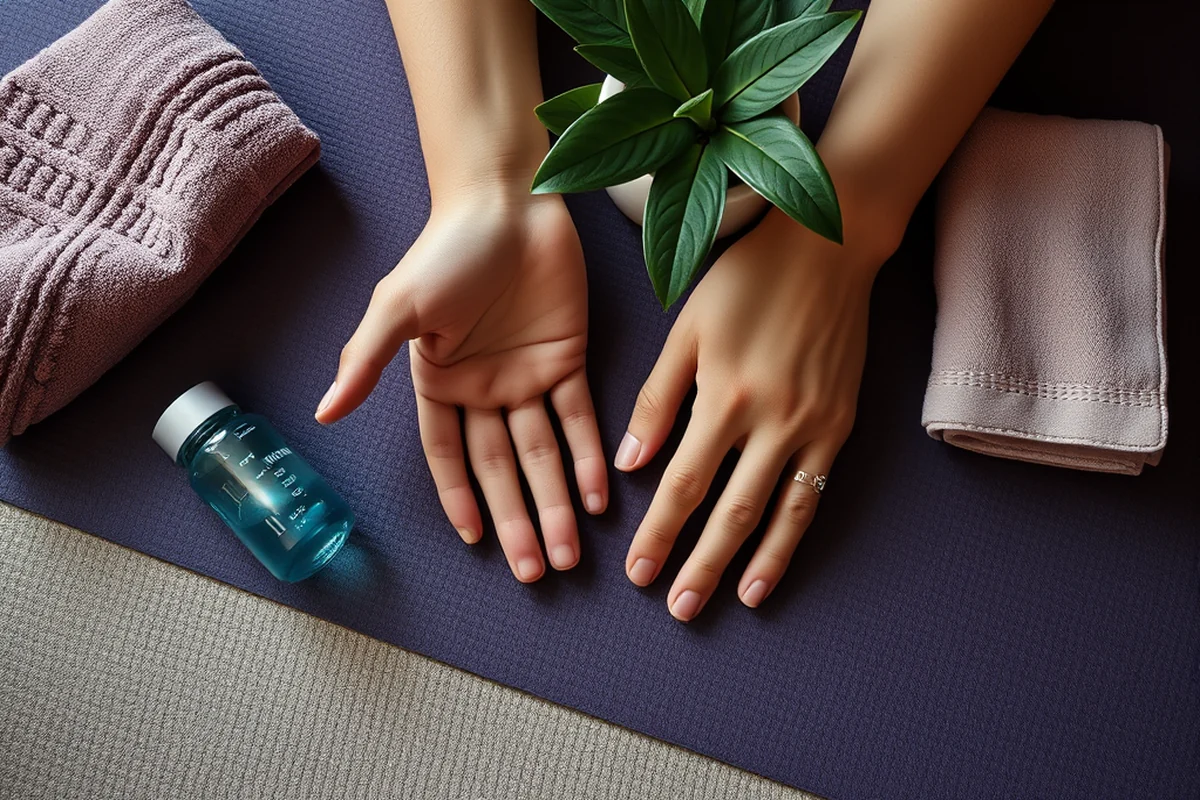
I've been skeptical about meditation for most of my life, thinking it was something only for people who meditated for hours a day. But when I tried guided mindfulness sessions focusing on the pelvic floor, I was surprised by the results. It's not about emptying your mind — it's about being present and paying attention to your body.
One technique I've used involves focusing on the breath while imagining a wave of relaxation moving through the pelvic floor. At first, it felt a bit awkward, but over time, I've found that it helps me let go of tension that I didn't even realize I was holding onto.
Mindfulness can be practiced for just a few minutes a day, and it doesn't require any special equipment or skills. I've found that even a short session in the morning or before bed can make a difference in how I feel throughout the day.
Related: Relax pelvic floor
Using Heat to Relax Tight Pelvic Floor Muscles
I used to think of heat therapy as something only for muscle aches in the back or legs. But when I tried applying a warm compress to my lower abdomen, I was amazed at how quickly it helped me feel more relaxed. It's a simple technique that doesn't require any special equipment — just a warm towel or a heating pad.
I've found that using heat for 10–15 minutes a day can help reduce tension in the pelvic floor muscles. It's especially effective after long days of sitting or standing, when I feel the most discomfort. The warmth seems to have a soothing effect on the muscles, making them more pliable and easier to stretch. (31%, waukeshacounty.gov)[4]
I've also experimented with different heat sources, from electric heating pads to warm water baths. Each has its own benefits, and I've noticed that combining heat with gentle stretching or breathing exercises can enhance the effects even further.
Related: How to pelvic floor therapy
The Importance of Posture in Pelvic Floor Health
I used to sit for hours at my desk without thinking about how I was positioning my body. But over time, I've realized that poor posture can contribute to pelvic floor tension. Sitting with a slouched posture, for example, can put unnecessary pressure on the pelvic floor muscles and lead to discomfort.
I've made a conscious effort to sit with my back straight, shoulders relaxed, and feet flat on the floor. This has made a noticeable difference in how I feel, especially after long days of work. I've also started using a standing desk for part of my day, which has helped reduce the strain on my lower body.
Good posture isn't just about comfort — it's about long-term health. I've noticed that making small changes in how I sit and stand has helped me maintain better control over my pelvic floor muscles and reduce overall tension.
Your posture is your power — sit tall and feel the difference.
Related: Pelvic floor exercise with ball
When to Seek Professional Help
For some people, self-care methods may not be enough to manage pelvic floor tension. In those cases, seeking the help of a pelvic health physical therapist can be a valuable step. I've talked to several people who found significant relief after working with a professional, and I know firsthand that it can make a huge difference.
Pelvic health physical therapists are trained to assess and treat pelvic floor dysfunction using a variety of techniques, including manual therapy, biofeedback, and tailored exercises. They can also help identify any underlying issues that may be contributing to the tension.
If you're experiencing persistent discomfort, difficulty urinating or defecating, or chronic pain, it's worth considering a consultation with a specialist. I've found that even a few sessions can provide a deeper understanding of how to relax pelvic floor muscles and improve overall function.
🧘 Beginner-Friendly Pelvic Floor Relaxation
Start with simple breathing and stretching exercises that require no equipment and can be done in the comfort of your home.
💰 Budget-Friendly Pelvic Floor Techniques
Use free online resources, bodyweight exercises, and heat therapy to manage pelvic floor tension without spending a lot of money.
⚡ Fastest Pelvic Floor Relaxation Methods
Try quick techniques like diaphragmatic breathing or heat therapy to get immediate relief from pelvic floor tension.
🔥 Advanced Pelvic Floor Relaxation
Work with a pelvic health physical therapist to get personalized treatment and advanced techniques tailored to your specific needs.
🔄 Maintenance Pelvic Floor Relaxation
Incorporate daily practices like mindful breathing and gentle stretching to maintain pelvic floor health over the long term.
| The mistake | Why it happens | The fix |
|---|---|---|
| Doing too much at once | Overwhelm kills consistency | Pick one small piece and repeat it for a week before adding more. |
| Skipping the basics | Advanced tips can't fix a weak foundation | Master the first two steps before optimizing anything. |
How To Relax Pelvic Floor Muscles
Common Questions
How long should I practice pelvic floor relaxation techniques each day?
Can I do these exercises while lying down or sitting?
Is it normal to feel some discomfort when first trying these techniques?
How long does it take to see results from pelvic floor relaxation techniques?
References
- RULE 17, EXHIBIT 9 - Chronic Pain Disorder Medical Treatment ... (cdle.colorado.gov)
- Agenda Item 11&14 - California Board of Occupational Therapy (bot.ca.gov)
- ICD-10 and Related Health Statistical Classification of Diseases and ... (cdc.gov)
- THE ADRC CONNECTION - Waukesha County (waukeshacounty.gov)
Cite this guide
Pelvic Floor Activation Drills (2026). How To Relax Pelvic Floor Muscles. https://groundedmove.com/how-to-relax-pelvic-floor-muscles/
Feel free to cite or share this guide.