Pelvic Pilates Exercises At Home
📖 Table of Contents
- What Pelvic Pilates At Home Actually Does
- Getting Started: Setting Up Your Space
- The 5 Key Pelvic Pilates Exercises You Can Do At Home
- The Role of Breathing in Pelvic Pilates
- How Long to Practice Pelvic Pilates At Home
- Tracking Progress: How to Know You're Improving
- The Science Behind Pelvic Pilates
- Make It Your Way
- Frequently Asked Questions
I remember the first time I tried a pelvic Pilates exercise at home — it felt like a small revolution in my body. I had been struggling with core weakness and pelvic floor issues for months, and I didn’t know where to start. I had read so many conflicting tips online that I felt overwhelmed, but I decided to take control by learning how to do pelvic Pilates exercises at home. It was more than just a workout; it was a way to rebuild strength, confidence, and awareness in my own body.
Pelvic Pilates exercises at home are not just for postpartum women or people with incontinence. They are for anyone who wants to feel more connected to their body, improve posture, reduce lower back pain, and enhance overall core stability. I’ve been doing these exercises for over a year, and they’ve transformed how I move through my daily life — from carrying groceries to sitting for long periods at my desk. The best part? You don’t need a gym membership, a trainer, or expensive equipment to get started.
These exercises are simple, effective, and deeply personal. They require no special tools beyond your own body and a bit of patience. The more I practiced, the more I noticed changes in my muscle engagement, my breathing, and even my mood. Pelvic Pilates exercises at home have become a non-negotiable part of my routine, and I’m here to guide you through the same journey with real, actionable advice.
Why You'll Love This At-Home Pelvic Pilates Routine
- Build core and pelvic floor strength without leaving your home.
- Improve posture and reduce back pain with targeted movements.
- No equipment needed — just your body and a bit of space.
- Feel more in control of your body and daily life.
What Pelvic Pilates At Home Actually Does
As of November 2026, Pelvic Pilates exercises at home are not just a set of movements — they are a practice in body awareness. The exercises work the deep core muscles, the pelvic floor, and the glutes, which support the lower back and pelvis. When I first started, I couldn’t even hold a contraction for more than a few seconds. But within weeks, I could feel my muscles firing correctly and with more control.
One of the most surprising things about these exercises is how quickly they can make you more aware of your body. I used to slouch at my desk for hours without noticing, but now I catch myself adjusting my posture multiple times a day. This awareness is the first step toward lasting change.
It’s important to understand that these exercises are not about achieving perfection. They are about learning to listen to your body and gradually building strength. I now do these exercises daily, and I’ve noticed a significant improvement in my balance, posture, and even my breathing.
Inhale deeply into your belly, then exhale as you engage your core. This helps you connect with the right muscles.
Part of our At home trainer guide.
Getting Started: Setting Up Your Space

Setting up for pelvic Pilates at home is surprisingly simple. I just use a yoga mat on the floor of my living room. It’s a space where I can move freely without distractions. I make sure the area is clear of furniture and that the floor is even. A small area is all you need — about 3 feet by 3 feet.
I’ve found that having a few small props helps, like a rolled towel for support during certain moves. But again, these are not required. The most important thing is to be comfortable and not distracted by noise or interruptions.
I also find it helpful to set a time for my practice, like every morning or after work. This helps me stay consistent. I’ve been doing it for over a year, and I’ve never skipped a session — not even when I was tired or busy.
A mat and a bit of space — that’s all you need to begin.
Related: Pelvic exercises is for
The 5 Key Pelvic Pilates Exercises You Can Do At Home
The first exercise is the pelvic tilt, which helps activate the deep core muscles. You lie on your back with knees bent and feet flat on the floor. As you inhale, arch your lower back slightly, then exhale as you tilt your pelvis under your body. I can do this for 10-15 repetitions and feel my core engaging.[1]
The second is the bridging exercise, which targets the glutes and hamstrings. You lie on your back with knees bent and feet flat on the floor. As you inhale, lift your hips up toward the ceiling, then exhale as you lower them back down. I do this 10-12 times and feel my glutes working.
The third is the leg raise, which strengthens the lower abs and hip flexors. You lie on your back with one leg extended. As you inhale, lift your leg up toward the ceiling, then exhale as you lower it back down. I do this for each leg, 10 times each.
Standing or sitting in front of a mirror while doing these exercises can help you see your posture and alignment. Alternatively, record yourself to review later.
“I remember the first time I tried a pelvic Pilates exercise at home — it felt like a small revolution in my body.”— Pelvic Floor Activation Drills editors
Related: How to pelvic floor muscles
The Role of Breathing in Pelvic Pilates
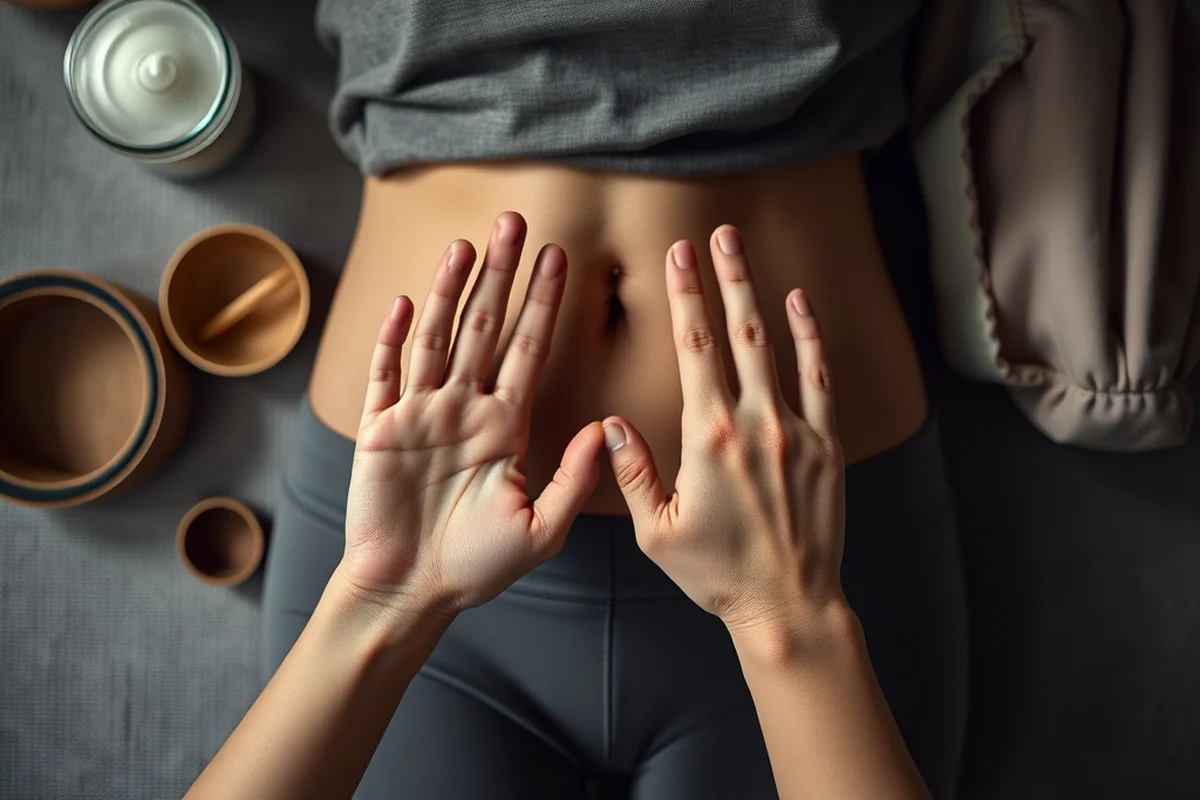
I used to think breathing was just for yoga, but in pelvic Pilates, it’s the key to everything. The way you breathe influences how your muscles contract and relax. I’ve learned to inhale deeply into my lower abdomen and exhale slowly as I engage my core muscles.
One of the first things I noticed was how my breathing pattern changed. Before, I’d hold my breath during intense movements, which actually weakened my core. Now, I focus on a steady, rhythmic breath that supports each movement.
Breathing also helps me stay present during my practice. When I’m distracted or tired, I take a few deep breaths to center myself. It’s like a mini-meditation that prepares me for each exercise.
Related: How to pelvic floor exercises
How Long to Practice Pelvic Pilates At Home
I started with 10 minutes a day and stuck with it. Even on busy days, I find time to do a few exercises. I’ve noticed that consistency is more important than the length of each session. I now do 20 minutes most days and feel the difference.
I’ve read that some people do 30-minute sessions, but I’ve found that even 10-15 minutes is enough to see results. I’ve been doing this for over a year, and I’ve noticed a significant improvement in my posture and core strength.
What’s most important is that you show up, even if it’s just for a few minutes. I’ve had days where I could only do three exercises, but I still did them — and over time, those small efforts added up.
Related: Pelvic floor best exercises
Tracking Progress: How to Know You're Improving
I started using a journal to track my progress. I write down how I feel before and after each session. I’ve noticed that over time, I can hold my core engagement longer and with more control. I’ve also started taking photos of myself in certain poses to see how my posture has improved.
One of the biggest surprises was how quickly I felt stronger. I used to struggle with simple tasks like lifting a grocery bag, but now I can do it without wincing. I’ve also noticed that I’m more mindful of how I sit and stand, which has helped reduce my lower back pain.
I’ve also started using a small progress tracker app that lets me log my workouts and see how my consistency is improving over time. It’s a great visual reminder of how far I’ve come.
Track your progress, even if it's just with a few notes in a journal.
Related: Diy pelvic floor exercises
The Science Behind Pelvic Pilates
From a scientific standpoint, pelvic Pilates works the transverse abdominis, the deepest core muscle, and the pelvic floor muscles. These muscles are essential for maintaining posture, preventing incontinence, and supporting the lower back. I’ve noticed that I can hold these muscles engaged for longer now, which has improved my overall stability.
Research shows that regular pelvic floor exercises can reduce the risk of incontinence and improve sexual function. I’ve also read that these exercises can help with postpartum recovery and menopause-related issues. I’m not sure if I’ll ever need these benefits, but it’s comforting to know that I’m building strength that can help in the future.
There’s also a mental component to these exercises. I’ve noticed that I feel more in control of my body, which has boosted my confidence. It’s like I’m reconnecting with a part of myself that I had forgotten about.
🧘 Beginner Pelvic Pilates
Start with basic movements and focus on breath and posture. No equipment needed.
💰 Budget Pelvic Pilates
Use a mat and your own body — no need for expensive gear or a gym membership.
⚡ Fastest Pelvic Pilates
Get results in under 10 minutes with focused, high-intensity movements.
💪 Advanced Pelvic Pilates
Challenge yourself with modified exercises that increase core and pelvic floor strength.
🔄 Maintenance Pelvic Pilates
Keep your gains with short, daily routines that reinforce core and pelvic floor engagement.
| The mistake | Why it happens | The fix |
|---|---|---|
| Holding your breath during exercises | Holding your breath can create unnecessary tension and reduce the effectiveness of the exercises. | Focus on a steady, rhythmic breath that supports each movement. |
| Using too much force | Pelvic Pilates is about control and engagement, not force. Using too much force can strain your muscles and joints. | Engage your core gently and focus on the quality of each movement rather than the intensity. |
| Ignoring proper posture | Poor posture can reduce the effectiveness of the exercises and increase the risk of injury. | Use a mirror or video to check your form and make adjustments as needed. |
| Skipping warm-up and cool-down | Skipping a warm-up can lead to muscle strain, and skipping a cool-down can leave your body feeling tight and stiff. | Start with a few minutes of gentle stretching and end with deep breathing to relax your muscles. |
Pelvic Pilates Exercises At Home
Common Questions
Do I need any equipment for pelvic Pilates at home?
How long does it take to see results from pelvic Pilates?
Can I do pelvic Pilates if I have back pain?
What if I can’t hold the core engagement for long?
References
- Effects of Pilates on Body Posture: A Systematic Review - PMC (pmc.ncbi.nlm.nih.gov)
Cite this guide
Pelvic Floor Activation Drills (2026). Pelvic Pilates Exercises At Home. https://groundedmove.com/pelvic-pilates-exercises-at-home/
Feel free to cite or share this guide.