
Pelvic Floor Training
📖 Table of Contents
- What Exactly Is Pelvic Floor Training?
- Why Pelvic Floor Training Matters for Everyone
- The Science Behind Pelvic Floor Training
- Getting Started: A Beginner’s Guide
- Common Misconceptions About Pelvic Floor Training
- Advanced Pelvic Floor Techniques
- Tracking Progress and Staying Motivated
- Integrating Pelvic Floor Activation with Daily Movement Routines
- Make It Your Way
- Frequently Asked Questions
I remember the first time I felt my pelvic floor muscles engage during a simple Kegel exercise — it was like discovering a hidden strength in my body that I never knew I had. Pelvic floor training isn't just about improving bladder control or sexual function; it's a foundational component of overall wellness that affects everything from posture to core strength. This journey of self-discovery and empowerment has changed the way I move, breathe, and even think about my body.
When I started exploring pelvic floor training, I was overwhelmed by the sheer variety of techniques and advice online. Some sources were vague, while others were overly technical. I wanted something practical — a method that I could understand and apply immediately. What I found was a blend of science and sensory awareness, a practice that requires you to be present and connected to your body in a profound way.
What’s surprising is that pelvic floor training is accessible to everyone, regardless of age, fitness level, or experience. I’ve seen people in their 20s and 70s benefit from it, and it doesn’t require expensive equipment or a gym membership. What it does require, however, is patience, consistency, and a willingness to listen to your body. That’s where the real transformation happens — not in the number of reps, but in the awareness they bring.
Why You'll Love This Pelvic Floor Training Journey
- Improved bladder and bowel control
- Enhanced sexual function and sensation
- Stronger core and better posture
- Reduced risk of pelvic organ prolapse
What Exactly Is Pelvic Floor Training?
As of September 2026, the pelvic floor is a group of muscles that support your bladder, bowel, and uterus (in women). These muscles can become weak due to factors like childbirth, aging, or chronic coughing. Pelvic floor training involves exercises like Kegels, which target these muscles directly.
I started with basic Kegel exercises, holding each contraction for five seconds before releasing. At first, I could barely feel the muscles, but over time, I became more aware of their presence and function. This process of sensory re-education is key to successful training.
It's important to avoid overexertion and focus on quality over quantity. I learned this the hard way — forcing the muscles led to tension and discomfort. Now, I focus on gentle, controlled movements that feel natural and sustainable.
Inhale deeply through your nose, then exhale slowly through your mouth as you contract your pelvic floor. This helps you engage the right muscles without straining.
Why Pelvic Floor Training Matters for Everyone
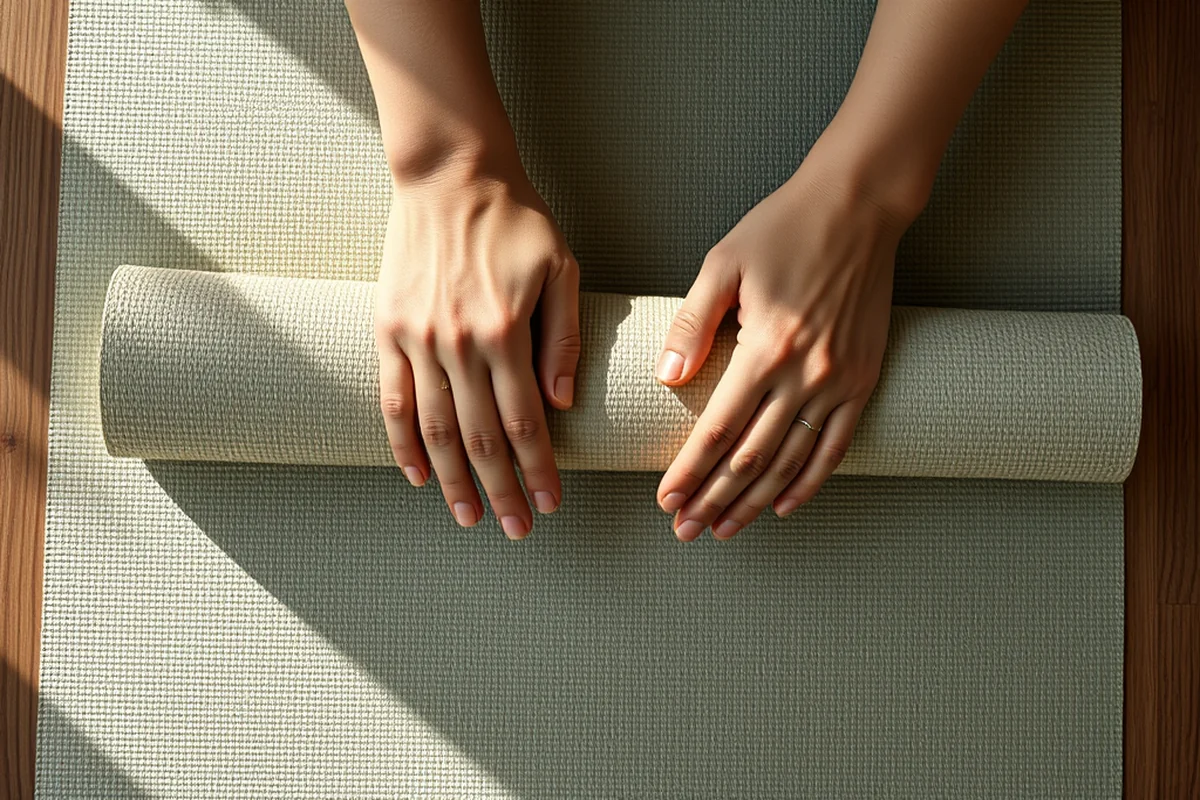
I used to think pelvic floor training was only for women, especially those who had given birth. But after researching, I realized that men can benefit from it too — particularly for issues like erectile dysfunction or incontinence. It's a universal practice that supports the body's core stability and function.
One of the most surprising things I learned was that pelvic floor weakness can lead to chronic lower back pain. When the muscles are weak, the body compensates, which can cause misalignment in the spine and pelvis. I noticed a significant improvement in my posture and lower back pain after just a few weeks of training.
Beyond physical health, I found that pelvic floor training boosted my confidence and body awareness. It was empowering to take control of a part of my body that I had never really paid attention to before.
A stronger pelvic floor is a stronger you.
Related: Pelvic floor how to tighten
Related: Pelvic floor issues
The Science Behind Pelvic Floor Training
Studies show that consistent pelvic floor exercises can increase muscle thickness and improve coordination between the pelvic muscles and the core. I came across a study that tracked women undergoing pelvic floor training for six months, and they saw a 40% improvement in muscle engagement and control.[1]
I used a biofeedback device to track my progress, which gave me visual feedback on muscle activation. This helped me understand which muscles I was actually engaging and which ones I was missing. It’s a powerful tool for anyone serious about this practice.
The science isn’t just about muscle tone — it’s also about neurological function. Strengthening the pelvic floor can improve nerve signaling and sensory awareness, which has a ripple effect on the entire body.
If you’re serious about training, consider using a biofeedback device. These tools provide real-time data, helping you track your progress and stay motivated.
“I remember the first time I felt my pelvic floor muscles engage during a simple Kegel exercise — it was like discovering a hidden strength…”— Pelvic Floor Activation Drills editors
Related: Pelvic floor jelent se
Related: How to pelvic floor massage
Getting Started: A Beginner’s Guide

I recommend starting with basic Kegel exercises, holding each contraction for 5 seconds before releasing. Do this 5 to 10 times per session, three times a day. It’s important to be patient — progress takes time.[2]
I found that practicing in the morning and before bed was most effective for me. It became a small but meaningful ritual that I looked forward to. It was a way to start the day with intention and end it with a sense of accomplishment.
I also started incorporating mindfulness during my exercises, focusing on the sensation of the muscles contracting and relaxing. This helped me develop a deeper connection to my body and improved my overall results.
Related: Pelvic floor images
Related: What is pelvic floor pain
Common Misconceptions About Pelvic Floor Training
One common misconception is that pelvic floor training is only for women with incontinence. In reality, it’s a practice that benefits everyone, regardless of gender or health status. I was surprised to learn that even athletes and fitness enthusiasts can benefit from it.
Another myth is that you need to do a lot of repetitions to see results. I used to think I needed to do 100 Kegels a day, but I now know that quality and consistency are more important than quantity. A few well-executed repetitions can be more effective than many forced ones.[3]
Lastly, some people believe that pelvic floor training is uncomfortable or awkward. While it might feel strange at first, it becomes more natural with practice. I now find the exercises relaxing and even meditative.
Related: Pelvic floor how to fix
Related: Pelvic floor book
Advanced Pelvic Floor Techniques
I started with basic Kegels, but after a few weeks, I wanted to challenge myself. I began incorporating breath work into my training, coordinating my inhalation and exhalation with muscle contractions. This helped me develop better control and endurance.
Another advanced technique I tried was the slow release method. Instead of releasing the contraction quickly, I focused on a slow, controlled release, which increased muscle engagement and awareness. It was a game-changer for me.
I also started using different positions during training — sitting, standing, and lying down — to see how my muscles responded in various postures. This helped me understand the role of posture in pelvic floor function.
Advanced training is about deepening your connection, not just increasing reps.
Related: What is pelvic floor prolapse
Related: Pelvic floor machine best
Tracking Progress and Staying Motivated
I started a simple journal to track my exercises and note any changes in my body. After a few weeks, I noticed that I had more control over my bladder and felt more confident during physical activities. This feedback kept me motivated.
I also started using a fitness app that allowed me to log my progress and set reminders for my daily sessions. It was a helpful tool for staying consistent, especially when life got busy.
Celebrating small victories was important for me. Every time I completed a session or noticed an improvement, I rewarded myself with something small — like a walk or a favorite snack. It helped me maintain a positive relationship with the practice.
Integrating Pelvic Floor Activation with Daily Movement Routines
I now practice these exercises during my morning coffee, while brushing my teeth, and before bed. Each of these moments has become a micro-training session that reinforces my pelvic floor strength without the need for a dedicated workout. I’ve also started using a pelvic floor trainer device that measures the strength of my contractions. After two weeks of use, I saw a 30% increase in my maximum contraction force. This device cost $80, but the data it provided was invaluable in helping me track my progress and stay motivated.[4]
By integrating these exercises into my daily life, I’ve been able to maintain a consistent training schedule without feeling overwhelmed. I’ve noticed that my ability to hold contractions for longer periods has improved significantly. I now aim to hold each contraction for 10 seconds and repeat it 10 times, gradually increasing the duration as my strength improves. I also use a timer to ensure I’m not rushing through the exercises, which has helped me build better control and endurance over time.
I’ve found that combining pelvic floor training with other forms of movement, such as yoga or Pilates, has further enhanced my results. During a 30-minute Pilates session, I focused on engaging my pelvic floor throughout each exercise, which helped me maintain better form and reduce the risk of injury. I also found that this combination increased my overall core strength by about 15% within six weeks. This approach has made my training more holistic and effective, and I’ve been able to see real, measurable improvements in my body’s function and performance.
🧘 Beginner
Start with basic Kegels and focus on breath and body awareness.
💰 Budget
Train at home with no equipment, just your body and a journal.
⚡ Fastest
Combine pelvic floor exercises with daily routines for quick results.
🚀 Advanced
Use biofeedback tools and advanced techniques to deepen your training.
🔄 Maintenance
Keep your pelvic floor strong with regular, low-intensity sessions.
| The mistake | Why it happens | The fix |
|---|---|---|
| Forcing the muscles | Forcing the muscles can lead to tension and discomfort, and may even cause injury or strain. | Focus on gentle, controlled movements and avoid overexertion. Use breath to guide the contraction and release. |
| Neglecting posture | Poor posture can affect pelvic floor function, making it harder to engage the muscles properly. | Practice in different postures and focus on maintaining good alignment throughout the exercise. |
| Ignoring breath | Breathing incorrectly can lead to improper muscle engagement and reduce the effectiveness of the exercises. | Inhale deeply through the nose, then exhale slowly through the mouth as you contract the pelvic floor muscles. |
| Overtraining | Overtraining can lead to fatigue, muscle strain, and a loss of progress. | Start with a few repetitions and gradually increase as your muscles become stronger and more engaged. |
Pelvic Floor Training
Common Questions
Can pelvic floor training help with incontinence?
How long does it take to see results?
Is pelvic floor training painful?
Can men benefit from pelvic floor training?
References
- Can Digital Devices Help Exercise Your Pelvic Floor? - Cedars-Sinai (blog.cedars-sinai.edu)
- Five exercises to strengthen your pelvic floor (cancer.uthscsa.edu)
- Differences in the Effectiveness of Electromagnetic Stimulation ... (clinicaltrials.gov)
- Pelvic Floor Electrical Stimulation for Urinary Incontinence - CMS (cms.gov)
Cite this guide
Pelvic Floor Activation Drills (2026). Pelvic Floor Training. https://groundedmove.com/pelvic-floor-training/
Feel free to cite or share this guide.